Silvery Leaves: A Lunar Materia Medica (Renaissance Medicine Conference 2017)
From anti-spasmodics and nervines, demulcents and emmenagogues, there are a wide category of herbal medicines which are considered to be ruled by the Moon. As


From anti-spasmodics and nervines, demulcents and emmenagogues, there are a wide category of herbal medicines which are considered to be ruled by the Moon. As
In part 2 of The Elements in People and Plants, we explore some the Elemental patterns as they exist within the botanical kingdom.
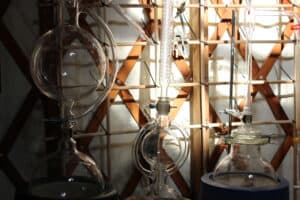
Distillation is one of the primary alchemical processes used in the production of true spagyric extracts. The 2 primary methods of distillation used are for
When we’re thinking about herbal medicine making, some of the topics that generally come up amongst herbalists are linear in their approach to how we prepare herbal medicine. What part of the plant do we use? Should it be fresh or should it be dried? What percentage alcohol should we use? Is it better as an infusion or a decoction? What are the chemicals in the plant, and how do we best extract them?
Many modern practitioners of herbal medicine have a calling to heal not on the body with plants, but also the more subtle levels of the
The synergy of astrology and herbalism provides a truly holistic framework that unites the physiology, psychology and soul of the person, with the physical, energetic
I think one of the most important questions we can ask ourselves as herbalists and healers is “why do we get sick?” This is the
Early this May I did a few classes at the Renaissance Medicine Conference in Portland Oregon that I thought I’d share with you. This is
When we talk about herbalism and alchemy, it can often seem like we talk only about the past. We know herbalism and alchemy have been
There’s something that I’ve been thinking a lot about lately. I’ve been looking at the state of the world and everything that’s been going on politically and culturally. With the fires that we’ve been having out here on the West Coast, it feels like things are heating up—literally—on planet earth right now.
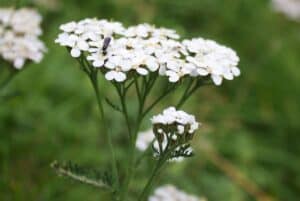
Everyone experiences scrapes, cuts, and bruises at times. Therefore, everyone could benefit from an herbal first-aid kit at home. Simple and straightforward, herbal wound care
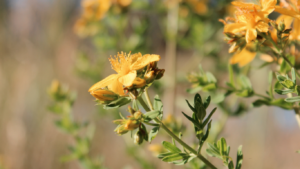
Stepping into some of the warmest and longest days of the year here in the northern hemisphere, we’re arriving now at the Summer Solstice which