
The meaning of the word “tonic” confused me for years, until I dug into some research and delineated four classes of tonics and how they’re practically and clinically meaningful. In the post “What Does ‘Tonic’ Mean Anyway?” I explored the meaning of “tonic,” and broke down the four classes of tonic herbs.
One of those classes is the nutritive tonics, the purpose of which is just what it sounds like: to provide the body with nutrition. Nutritive tonics are a fantastic way to easily and gently incorporate herbal medicine into your daily life and routine. Unlike many formulas we might create for more serious health concerns, these tonics are designed to be consumed daily and serve as remedies you can work with while you’re healthy, allowing you to maintain your health.
There is an excellent case for using nutritive tonics in today’s world, so let’s dive into the why of that before we get into the formula.
The Case for Supplementing Micronutrients
Before we discuss the nutritive aspects of herbs, it’s essential to consider diet, food, and digestion. Generally speaking, the modern Western diet tends to be deficient, regardless of the type of diet you follow. Even if you’re eating the cleanest, organic, best possible diet, it’s likely still inadequate from a micronutrient perspective.
Industrial Agriculture and Micronutrients
The problem lies in the way industrialized agriculture affects the nutritional status of the soil, which in turn impacts the nutritional value of food and ultimately the nutritional status of the people who consume it.
As humans moved out of rural areas and cities grew larger, the concept of the family farm and homesteading essentially became a thing of the past. There is a modern resurgence of homesteading, however, which I like to think my family is a part of. We grow a lot of our own food and raise our own meat here on our homestead. However, farming practices including monoculture, a lack of crop and animal grazing rotation, and a lack of biodiversity in farming, are prevalent. Crop rotation ensures that nitrogen is constantly replenished in the soil. When animals are integrated into food-growing landscapes to replenish the soil with manure, compost, and other essential nutrients, they facilitate the soil’s natural cycle. We can only take from the earth so much until we have to put something back. Of course, we also have the use of chemicals in agriculture, which adds toxins on top of other problems.
Trace Elements and Deficiency
Nutrition is at the foundation of our health, and our bodies’ functions are not only based on the big three of fats, proteins, and carbohydrates. There is also a spectrum of vitamins, minerals, and trace elements we need. Trace elements, also known as micronutrients, are substances that your body needs but cannot produce internally, so you must obtain them exogenously through food or supplementation. You only need minute amounts of these—your body doesn’t require a lot of boron, copper, or selenium, for example. Still, there are specific biochemical pathways that require these nutrients to function properly.
Paul Bergner, one of my teachers in herbal medicine and natural philosophy, says that trace elements are like the letters of the alphabet, and the biochemical pathways of our bodies are like a language built from those letters. If you’re missing, for example, the letter “Z,” you could still speak English. But if you stripped away A, E, O, and S, all of a sudden, it would be challenging to write or speak the English language.
The same is true from a nutritional perspective. Your biochemical processes can’t communicate or perform their jobs effectively if they are missing necessary trace elements, which can lead to complications and physical health problems. Often, this situation can be remedied simply by replenishing baseline nutrients.
A typical modern example of this is magnesium deficiency, one of the most common nutrient deficiencies, primarily due to a limited magnesium supply in the food. Hence, a large majority of the population is deficient in magnesium, and magnesium is involved in numerous critical bodily processes. It supports relaxation of muscles and the neuromuscular junctions. Hence, people with a magnesium deficiency tend to be more spasmodic, and the muscular system tends to be tighter overall, causing the nervous system to become more anxious. Many people with a magnesium deficiency have difficulty sleeping because they’re wound up. Magnesium is also a key cofactor in the TCA cycle, also known as the Krebs cycle, which produces ATP, the primary source of cellular energy. Additionally, women who are deficient in magnesium often have more intense menstrual cramps. It doesn’t matter how many antispasmodic herbs you take if you’re deficient in magnesium; the only way to get those muscles to relax and address the root cause of the problem is to replenish your magnesium levels.
Many plants absorb trace elements that our food does not provide. When we consume those plants, whether by eating them, taking them in powder form, or drinking them in tea, we’re getting the organic plant forms of the nutrients, as opposed to USP-synthesized vitamins, which are laboratory-made synthetics.

The Nutritive Mineral Tonic Formula
Without further ado, here is the formula, followed by a short profile of each herb. Then, we’ll wrap up with a discussion of how to prepare the formula.
The Nutritive Mineral Tonic Formula:
2 parts Dandelion leaf (Taraxacum officinale)
2 parts Alfalfa leaf (Medicago sativa)
2 parts Nettle leaf (Urtica dioica)
1 part Horsetail leaf (Equisetum arvense)
½ part Irish Moss (Chondrus crispus)
There is a common theme among these herbs: they are slightly astringent and tonifying in nature. They are also vulneraries (wound-healing herbs). Some of them are bitter tonics, which can help lower cholesterol and triglycerides. Most of these herbs have a diuretic or aquaretic property, so they will increase urination. Aquaretics are similar to diuretics, but they don’t force the kidneys to do their job. Instead, they achieve their purpose of ridding the body of excess fluid through the exchange of minerals. Of course, all of these herbs are incredibly rich in nutrients!
Irish Moss (Chondrus crispus)
Nutrient Profile and Uses
Being a sea vegetable, Irish Moss has a unique mineral profile compared to terrestrial plants. It is rich in sulfur and iodine, which are common trace minerals found in sea vegetables. It is also rich in potassium, calcium, magnesium, iron, manganese, and sodium. Of course, sodium gives it a salty taste. Irish Moss also contains more protein than most other herbs.
A Moistening Demulcent
Aside from its nutritional value, Irish Moss is included in the formula primarily because it is moistening and demulcent. The other herbs in the formula, especially Nettle and Horsetail, are tonic astringent and therefore drying, so Irish Moss helps to balance that out. Dandelion leaf is diuretic, as are Nettle and Horsetail. Dandelion leaf is also bitter, which makes it drying. If you plan to use a tea like this over the long term, that’s something to be aware of.
From an Ayurvedic perspective, Irish Moss’s demulcent quality increases kapha dosha, and in Chinese medicine, this quality is said to tonify yin. It increases the fluid generation aspect of the body, which influences the mucosal membranes. We can observe this effect in the digestive system, as Irish moss acts as a bulk laxative by moistening the bowel. This makes it very beneficial for people with dry constipation.
It’s also helpful for individuals with dryness in the respiratory tract. This is a great herb to consider for people with a dry cough or those recovering from respiratory tract infections, as it helps to restore and replenish the mucosa of the respiratory tract. Consider this herb for hot, dry, irritated mucus membranes, particularly in the lungs and gastrointestinal tract. In the post-illness period, particularly following fever, you’re in a situation where you’ve been fasting (ideally) and you emerge weak, deficient, and dry. Perhaps you’ve been coughing and sweating a lot. Usually, there’s a need to increase the fluid element in the body’s mucosa and tissues as a whole, and to convalesce and recover. Irish Moss and other demulcents are useful here.
Thyroid and Cholesterol Support
Irish Moss is high in iodine, like most sea vegetables such as Bladderwrack and Kelp. This makes them excellent for supporting thyroid function. Another notable feature of Irish moss is that it can chelate heavy metals due to its sodium alginate and polysaccharide content.
Irish Moss supports healthy cholesterol levels due to its high fiber content. Fiber binds to bile, causing it to be excreted in the stool, whereas most bile is usually reabsorbed and reused. If you’re binding bile, causing it to be excreted with the stool, your body must produce more bile from cholesterol. The way it does this is by pulling cholesterol from the vasculature, bringing it to the liver to produce more bile. That’s a good thing, and it’s why oats (also high in fiber) are commonly recommended for a healthy heart.
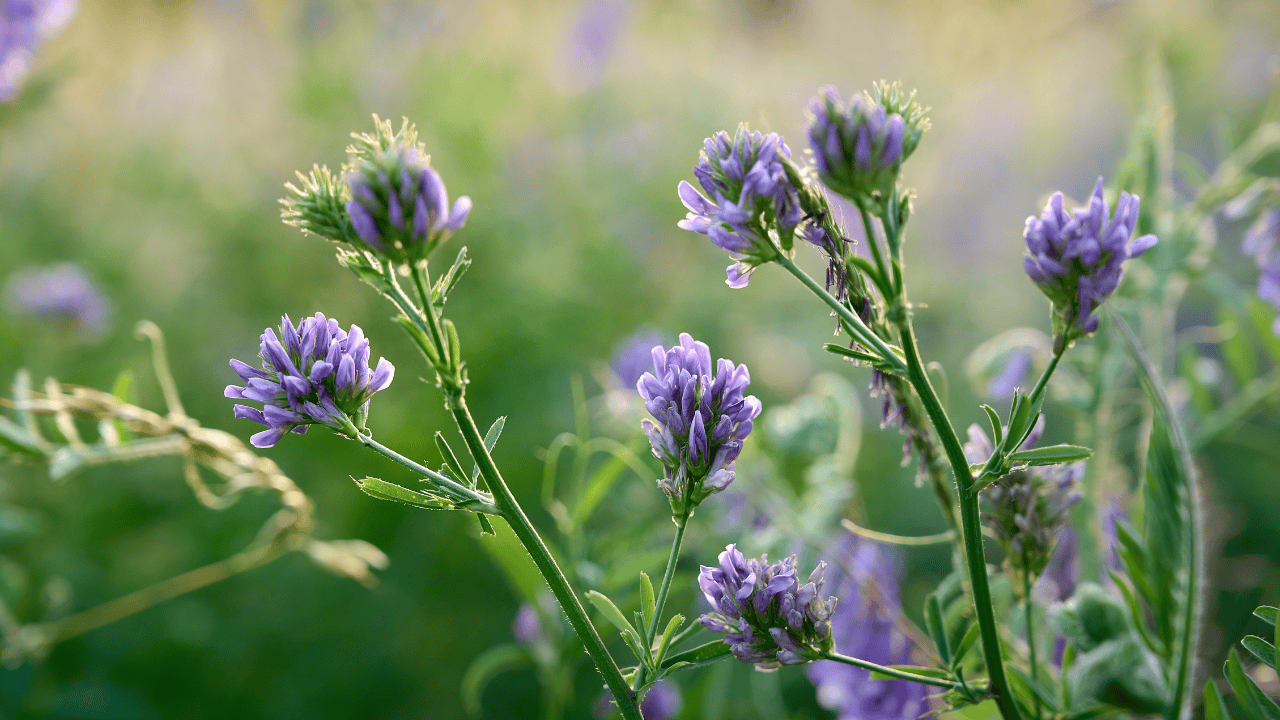
Alfalfa (Medicago sativa)
Nutrient Profile and Uses
Alfalfa is rich in iron, magnesium, calcium, and potassium. It also contains vitamins A, B, C, D, E, K, folate, and biotin. It is often used for general malnutrition, where a person may be thin, weak, emaciated, exhausted, and blood-deficient. Alfalfa is excellent for women who experience heavy menstrual bleeding. Perhaps they’re vegan or vegetarian, and they’re anemic.
Alfalfa is also excellent for addressing constitutional weakness. We can use it for individuals with weak bones, such as those with osteoporosis, or for people recovering from broken bones or other musculoskeletal injuries, including those with weak or injured connective tissue or hypermobility.
Alfalfa for the Nervous System?
Some of the old doctors used Alfalfa for neurasthenia, which we now think of as burnout or nervous system exhaustion. People with neurasthenia don’t sleep well, push themselves too hard, and have an exhausted nervous system. Typically, herbs recommended for neurasthenia are nervines, including St. John’s Wort, Milky Oats, and Skullcap. Alfalfa isn’t really a nervine—we don’t think of it as a calming, trophorestorative herb for the nervous system. However, there appears to be some animal research that confirms it has nourishing and protective effects on the nervous system. Some people use Alfalfa for degenerative neurological conditions, such as Alzheimer’s, Parkinson’s, and M.S. It appears to provide nutrients that aid in the building, restoration, and nourishment of the nervous system.
Alfalfa and Metabolic Syndrome
Interestingly, this herb also acts on the other end of the malnutrition spectrum, where people are overfed but undernourished. They may have elevated cholesterol and triglycerides, which is a typical pattern of metabolic syndrome. There are indications that Alfalfa can help alleviate some of the signs and symptoms of metabolic syndrome.
As an herbalist and a homesteader, I have a multifaceted relationship with Alfalfa. We raise animals on our homestead. Usually, they eat hay or they’re out grazing. But when the sheep and cows are pregnant, we supplement their diets with Alfalfa because it’s incredibly nutritious. You can really see the difference in their body composition and energy levels, and of course, they prefer it.
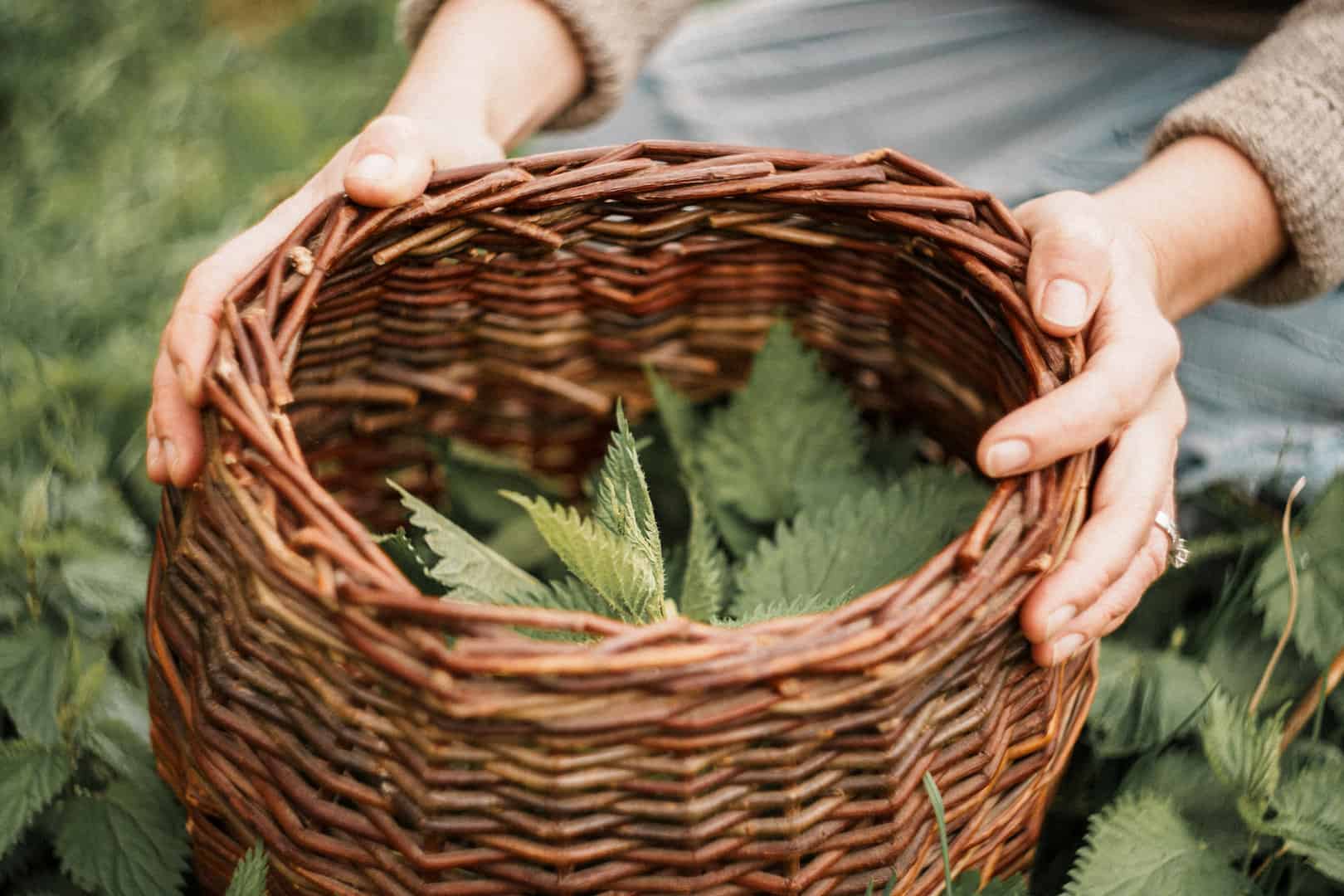
Nettle Leaf (Urtica dioica)
The next herb is arguably Western herbalism’s most popular nutritive tonic—Nettle leaf. I think every herbalist, if it grows around them, should pick Nettle in the springtime and add it to their food, in addition to using it in formulations.
Nutrient Profile and Uses
Nettle is an incredibly nutritive herb, rich in vitamins C and K, calcium, potassium, and carotinoids. It even contains some serotonin. Nettle exhibits high antioxidant activity as well, and contains neurotransmitter precursors and histamine (though it is simultaneously nature’s best antihistamine!). It’s rich in silicic acid, also known as silica.
Nettle is a key herb for nutritional weakness. It is also excellent for individuals with capillary weakness. Red cheeks with visible capillaries are a sign of capillary fragility, oxidation, and vascular inflammation. We also observe capillary fragility in individuals who bruise easily and those with very thin skin that is easily damaged by even gentle contact. People with thin skin often have weak or brittle hair and nails. All of their structural tissues may be weak, brittle, thin, and papery. Nettle leaf is very useful for strengthening and rebuilding those tissues.
Nettle is rich in iron as well, so it nourishes the blood. Some people use Nettle in a similar way to Alfalfa in nerve tonic formulas to provide baseline nutrition to the nervous system.
Nettle leaf is mildly astringent and styptic, so it’s helpful for mild bleeding in the urinary tract. Its mild astringent quality also makes it useful for diarrhea.
Use as an Alterative
Nettle is an excellent antidyscratic alterative that cleanses the blood. Blood dyscrasia is an old term used to denote “bad” or “dirty” blood, and a need for alterative, detoxifying remedies. This is an interesting dichotomy that we also see with Alfalfa, where Nettle leaf can help alleviate high cholesterol, high triglycerides, and metabolic issues while also providing nourishment.
Six to eight weeks of daily Nettle infusions in the early springtime is a great practice to get into to replenish micronutrients. My family and I have what I consider a traditional lifestyle, so for us, winter is a season of meat-heavy meals, sundries, canned food, and not much fresh food here in northwest Washington. I find that Nettle leaf is fantastic for clearing out winter stagnation and heaviness. The fresh leaf is easily incorporated into cooked foods. I like to cook Nettle tops in the morning with spring onions, shiitake mushrooms, and eggs made into an omelet. Nettles are also great in soups and stews; you just have to cook them. However, a green that doesn’t necessarily have to be cooked is Dandelion leaf!
Dandelion Leaf (Taraxacum officinale)
Nutrient Profile and Uses
Dandelion is another excellent nutritive, cleansing spring tonic. Dandelion leaf is rich in carotinoids, vitamins B, C, D, and K, as well as potassium and calcium, however the root generally contains more calcium than the leaf. Dandelion will help to strengthen blood, bones, and connective tissues.
Value as a Diuretic
Fluid retention is typically caused by kidney or heart problems and one remedy is to use diuretics. However, one of the problems with conventional diuretics—thiazides, or loop diuretics—is that they work really well for causing excessive urination to relieve edema and hypertension due to fluid retention. But the issue with thiazide diuretics is that you’re urinating so much, you pee out all of your potassium. Therefore, these medications need to be taken in conjunction with a potassium supplement. However, Dandelion leaf’s richness in potassium makes it a potassium-sparing diuretic, and it is remarkably effective. This is yet another symbol of the perfection of nature!
Herbal diuretics don’t just work locally on the urinary tract to induce urination. The fluid must come from somewhere and diuretics purge fluids from the tissues, which is why, when people take diuretics, you can see their edema decrease. Diuretics work systemically on the water element to relieve excess water. So, Dandelion leaf is helpful for fluid retention, edema, and stimulating the kidneys.
Value as a Digestive Bitter
Dandelion is very bitter, and that’s one reason it’s excellent in this formula, because enhancing the nutritional status of the body doesn’t simply mean consuming more nutrients. To enhance nutrition, it’s essential to make sure you can digest and absorb nutrients. So many people these days have compromised digestion that they could eat the most nutrient-dense food in the world, but if their digestive systems aren’t functioning well, they won’t receive any benefit. Therefore, having a bitter tonic in this formula is helpful because it aids in the absorption of the nutrients from the other herbs.
Eating Dandelion Leaf
With Dandelion, the younger the leaf, the less bitter it will be; the older the leaf, the more white latex it contains, the more bitter it becomes. For many people, Dandelion is too bitter by itself, so you can combine the young leaves with other tender greens in salads. Salads containing Dandelion leaves are best balanced when paired with a dressing that incorporates oil or fat, and citrus or vinegar. A little sweetness can also help the taste, such as honey. Additionally, you can add an aromatic to round out the bitterness.

Horsetail (Equisetum arvense)
Our last herb is Horsetail, another excellent spring tonic.
Nutrient Profile and Uses
Horsetail is rich in manganese, potassium, and silicic acid or silica. Silica is what Horsetail is best known for, and it is a cofactor in calcium metabolism. If you are deficient in silica, your body can’t use the calcium it has to build bones, teeth, hair, skin, nails, etc. All of the structural tissues require silica. That’s why supplements like BioSil, a silica supplement promoted for its benefits to hair, skin, and nails, are so popular. There are other mineral cofactors and flavonoids present in Horsetail that enable it to perform these functions.
With Horsetail, as with the previous herbs we’ve discussed, we have a diuretic. This herb is useful for clearing dampness, flushing the urinary tract, and treating UTIs (all of the herbs in this formula help to flush the urinary tract). Horsetail is slightly astringent, so it can be used to treat hematuria (blood in the urine) which can occur with kidney stones or cystitis. Nettle leaf is also beneficial for hematuria due to its astringent properties.
Harvesting Horsetail
Horsetail has a phallus-shaped, almost asparagus-like appearance, with little frond-like leaves that unfurl from the top. Once those fronds go beyond 45 degrees, you should no longer harvest the Horsetail, because they concentrate minerals so much that if you harvest at the wrong time, it can cause problems rather than provide support to the body. Those minerals can be strong enough to agitate the kidneys. It’s important to harvest your Horsetail while it’s young.

How to Prepare The Nutritive Tonic Tea
The best way to prepare a nutritive tonic is either to powder all of the herbs, encapsulate them, and take the capsules, or to prepare a tea. Tea is preferable because eating the herbs as powders requires your body to digest them. If people have weak digestion, which many people do, the tea is simply easier to digest. Making a tea out of the herbs is, in a way, like predigesting it; the extraction is already done, so the body doesn’t have to do it.
Long infusions are the best way to prepare these herbs. Note the keyword “long.” Dipping a tea bag in boiling water for five to 10 minutes just won’t cut it. You need long-form infusions of these herbs to get an effective extraction.
How to Prepare a Long Infusion
- To make a long infusion, use at least one Tablespoon (3 teaspoons) per 12 ounces of water.
- Gently simmer the herbs in water for 10-15 minutes, then turn off the heat, cover.
- Let the mixture infuse for 45 minutes to an hour. You can pour the mixture into a thermos to keep it hot and infuse it that way so that it won’t become cold during the process. Another way to do it is to use a coffee maker. Simply add the herbs to the coffee pot after your initial simmer. The little burner under the coffee keeps it at the perfect temperature throughout the process.
Preparation Notes
To optimize the mineral extraction of these herbs, add a splash of apple cider vinegar to the water—it extracts minerals very effectively. It can leave a slight vinegary taste, but that may not bother you, or you may become accustomed to it; it does pull the minerals out better than infusion alone.
The idea is to drink this daily for a while, so make it enjoyable. To improve the flavor, you can add honey to counteract the bitter, mineral salt flavors. You could also add Peppermint, Fennel, Tulsi, Cinnamon, or Ginger. Experiment with the formula until you achieve a flavor you enjoy.
It is essential to note that this formula contains three diuretics: Nettle leaf, Horsetail, and Dandelion leaf, so it will increase urination. Avoid drinking it if you’ll be sitting in traffic and right before bedtime!
In this formula, Horsetail is present in a slightly smaller quantity because it’s very rich in minerals, and sometimes, if taken in higher amounts for too long, it can be irritating. Irish moss is at an even lower quantity, so that the tea doesn’t become overly demulcent and slimy.
How to Use this Formula
Think of this formula as a supplement. This supplement tea is a great way to incorporate herbal medicine into your daily routine, and you can consider it your multi-mineral, nutrient-rich supplement to complement your healthy diet and multivitamin.
After six to eight weeks of drinking this tea, you may notice that some of those minor, irritating symptoms are no longer there. You might find that you’re waking up more easily in the morning or falling asleep faster at night. You might have a little more pep in your step, or maybe you simply won’t feel tired at two or three o’clock in the afternoon. If you have experienced depletion of any of these essential nutrients, once you begin to replenish them, you may find this to be true for yourself and perhaps your clients as well. Enjoy!