
In the article Sinusitis and The Magic of The Herbal Neti Pot, I told the story of my experience with sinusitis. If you haven’t read that article yet, check it out for a primer on what we’ll be discussing in this article. I also recommend reading the article A Practitioner’s Guide to Topical Herbal Remedies, where I introduced the idea of redefining how we think about and use topical herbal treatment.
When I was sick, I thought I just had a cold and stuffy nose—an annoying thing that would go away on its own. But my naturopath pointed out that I had a sinus infection and needed to treat it, stat.
I used five herbs topically (directly on the sinus tissues) that possess all of the qualities necessary to modulate inflammation, dry up excess secretions, tone the tissues, and deliver antimicrobial agents to clear infections in the sinuses effectively.
Goldenseal (Hydrastis canadensis)
If an herb can be famous, Goldenseal would be one of the most famous. I remember hearing about Echinacea and Goldenseal when I was a kid. Everyone talked about the combination of these two herbs as an herbal antibiotic.
Indeed, Goldenseal does have some antibacterial properties. However, I wouldn’t call it an antibiotic. It’s actually much better and more nuanced than that. This is a classic herb native to North America with a very long history of use. It was used by the indigenous people who lived here before Europeans arrived in the Americas.
Antimicrobial Alkaloids and Berberine
Goldenseal contains one of the better-studied herbal constituents of the modern era: the alkaloid berberine. Berberine is present in several medicinal plants, including Oregon Grape root (Berberis aquifolium), the Chinese herb Coptis (Coptis chinensis), and, of course, Goldenseal. Berberine is being studied extensively these days and has even been referred to as the herbal version of Ozempic. This is incorrect, and doesn’t accurately represent berberine-containing herbs. It creates a false expectation of a result that we simply don’t achieve with herbs. Still, it does speak to how incredible Goldenseal can be when used for the right circumstances.
For the sinuses, Goldenseal is truly an amazing herb. The taste is bitter, and it’s also a bit astringent and tonifying. Its strongly antimicrobial property, which is due to the presence of its alkaloids, of which berberine is one, makes it particularly useful for a sinus infection.
The Conundrum of ‘Antiviral’
Goldenseal has antibacterial, antiviral, and antifungal effects. When we use the word antiviral, it’s important to specify what kind of virus we’re talking about, as usually the researched antiviral property is based on demonstrating that the herb kills, neutralizes, or disarms a specific virus. Typically, the research is done in a petri dish (in vitro). In vitro research is not a preferred method for studying herbs, and just because an herb affects one virus doesn’t mean it has the same effect on all viruses. Viruses are very diverse organisms, which is why there’s no such thing as a broad-spectrum antiviral herb or even medication. With bacteria, on the other hand, you can obtain a broad-spectrum antibacterial. For subacute to chronic sinusitis symptoms or sinus infections, we should aim to treat both bacterial and fungal infections, as both are likely to be present once an infection has been present for a while.
Killing the bug to kill the pathogen is an allopathic way of thinking, and perhaps overly simplistic. From a vitalist or humoral perspective, we should consider the environment of the tissues that enabled the pathogen to begin thriving and flourishing in the first place. Sinusitis is usually characterized by heat, inflammation, dampness, and relaxation or atony (lack of tone). In this situation, the mucosa is leaky, which is why you get postnasal drip, a runny nose, swelling, pressure, and pain in the face, etc. In that regard, Goldenseal matches very well energetically, as it’s a cold, bitter, fluid-draining, heat-draining, drying plant.
Mucus Membrane Tonic
Goldenseal is the mucus membrane tonic par excellence. It is perfect for leaky, soggy, boggy, atonic, infection-prone mucosa. It works well in the sinuses, digestive system, and urinary tract. Berberine is, to a degree, excreted through the urine. We typically think of the upper respiratory and gastric GI mucosa with this herb. When you wash Goldenseal through the sinuses, it will cool the inflammation and heat. It will have a topical antimicrobial effect and help to astringe, tonify, and tighten up those tissues.
Goldenseal is a bit expensive. If you can’t get it for any reason, you can substitute another berberine-containing herb, such as Oregon Grape root or Berberis (Berberis vulgaris). Oregon Grape and Berberis don’t seem to have quite the same level of mucus membrane tonifying effect as Goldenseal does. However, they share similar antiseptic properties, and both are bitter. They’ll work on the mucosa somewhat, especially if you’re applying them topically through a neti pot. With these herbs, we use the root, so you could decoct the roots, add salt, and use the solution.
Biochemical Synergy
You can obtain isolated berberine and take it in supplement form. However, it is poorly absorbed and quickly excreted. Taking a whole plant containing berberine, along with its other alkaloids and constituents, is better because nature has put all those other chemicals into the plants with the berberine for a reason. This affects absorption, assimilation, and the principle David Winston calls “biochemical synergy.”
The same is true with Turmeric (Curcuma longa) and curcumin. Pure curcumin isolate is much less effective than the whole herb. Whole Turmeric is better absorbed, better utilized, and usually less expensive. Overall, it is better to use whole plants.

Yarrow (Achillea millefolium)
Yarrow is a very versatile herb. What can’t we use Yarrow for? This is a key herb anytime there’s an infection or fever. Yarrow is fantastic, whether we’re talking about concerns with the skin, gastrointestinal, urinary, or upper respiratory tract. It is bitter and aromatic, which gives it an affinity for the digestive system as a general remedy.
Antimicrobial Monoterpenes
Like Goldenseal, Yarrow is both antibacterial and antiviral, though it isn’t notably antifungal. We get these effects through its monoterpenes. When treating an infection with an antibacterial approach, look for herbs to compound together that are antibacterial through multiple classes of constituents. With Goldenseal, we have antibacterial alkaloids; Yarrow’s antibacterial effect is achieved through monoterpenes. These are two distinct types of chemical constituents with antibacterial properties. This approach will increase the likelihood of successful treatment because you’re hitting it from multiple angles.
Like Goldenseal, Yarrow is astringent, so it will dry up local secretions and tighten the mucus membrane, helping with postnasal drip. It’s also a decongestant due to its bitter and aromatic properties. Aromatics have a dispersing effect, but when it comes to an herbal neti pot, be careful not to use extremely aromatic herbs because they can be too pungent or spicy and irritate the delicate tissues of the nasal passages and sinuses.
Inflammation-modulating Volatile Oils
Yarrow is excellent for its inflammation-modulating properties, which are due to its deep blue volatile oil compounds, azulene and chamazulene. Of course, anywhere there is an infection, inflammation will be present. This is a positive thing; you want that inflammation there, though it might contribute to some uncomfortable symptoms. Modulating inflammation is crucial, and Yarrow is a cool and dry herb that is particularly beneficial in this situation.
Yarrow and Sore Throats
Yarrow’s astringency helps with a sore throat. This could also apply to Goldenseal. With swollen tonsils, adenoids, tonsillitis, and strep throat, everything can become puffy and swollen, making it hard to breathe. The astringent quality is helpful in the throat to dry excess secretions, tighten the tonsils and adenoids, and ease the pain. Tannins often have inflammation-modulating effects, which can alleviate the sore throat.
If you have sinusitis, postnasal drip, and a sore throat, consider making a tea with Goldenseal and Yarrow for your neti pot and set some aside to drink—it will help alleviate your sore throat. Yarrow is diaphoretic, so if there’s an accompanying fever, this herb can help address that as well. Yarrow is one of our classic fever remedies from the European materia medica. It has been used as a fever medicine for a long time, and it’s very effective.

Sage (Salvia officinalis)
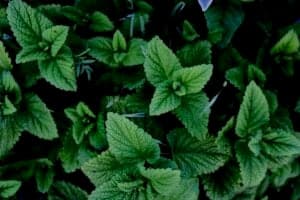
Good old garden Sage is our next remedy. This is another excellent herb for the sinuses. It is a unique plant because it’s an aromatic astringent mint. With Sage, you get the aromatic property of the mints, but most mints aren’t astringent. This quality makes Sage unique amongst the mints and very useful.
While Yarrow and Goldenseal are both bitter, Yarrow is bitter and aromatic, and both are a bit astringent. With Sage, we’re fully in aromatic territory. This is an aromatic, drying, astringent herb. If you put a Sage leaf in your mouth, you can feel the astringency. It tightens and puckers, but it also has a pleasant, flavorful, aromatic nature that makes you want to put it on a roast chicken.
Antimicrobial Triterpenes
Like Goldenseal and Yarrow, Sage has both antibacterial and antifungal effects. I consider Sage critical in longer-standing sinus infections due to its properties that stem from its triterpenes. It also contains borneol and ursolic acid, both of which have antimicrobial activity. Sage’s astringency is beneficial for tightening and tonifying the sinuses, and for drying up some of the moisture. It is also inflammation-modulating.
Sage and Sore Throats
Sage is another key remedy for sore throats. Anytime someone has a sore throat, I think of Sage, and I’ve used it to help many people. Sometimes friends and family members call, whether for themselves or on behalf of a sick child with a sore throat. Perhaps they can’t get to the store, or they don’t have a lot of herbs on hand. So I ask, if they have Sage in their kitchen cupboard, along with a lemon and some honey. These ingredients make a nice sore throat medicine. If it’s for adults, you can put a splash of whiskey in there and make a toddy, which will also help with the sore throat. You get the sour with the lemon, the sweet with the honey, and the pungent and astringent with the Sage.
Sage also has some expectorant properties. Drinking some of the tea can be great to help clear phlegm from the lungs, which it accomplishes through its dry, pungent stimulant, expectorant qualities. It’s great for coughs with postnasal drip, when the mucus might be going into the lungs and causing more phlegm to accumulate there.
The Trajectory of Infections
With respiratory tract infections, our goal is to push the infection upward. If it’s in the lungs, we want the symptoms to come up. If we’re making progress, then an infection in the lungs should move up to the sinuses; that’s a good thing. But if it begins in the upper respiratory tract and then moves down to the lungs, that infection is moving deeper into the body, and that’s not good. Sage can be great for helping infection to move upward and outward. It’s great for postnasal drip, sinusitis, and cough.
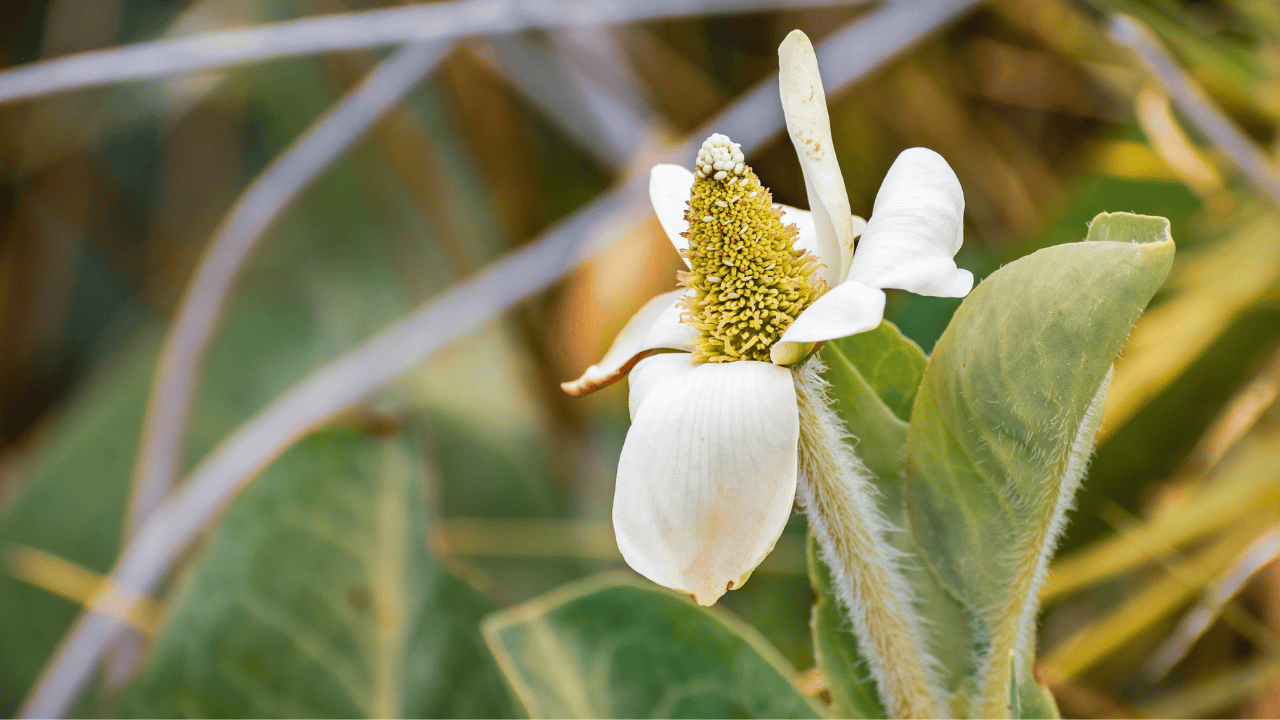
Yerba Mansa (Anemopsis californicum)
Our next herb is one you don’t hear about often, and it can be challenging to source. It is likely to be more expensive than the other herbs on this list.
You could think of Yerba Mansa as the warm, pungent version of Goldenseal. However, instead of being really bitter, it’s quite aromatic, so it’s rich in volatile oils, and it’s also dry, tonic, and astringent. It is significantly more astringent and pungent than Sage, and it’s a more potent remedy. If I had to choose between Sage and Yerba Mansa for the treatment of a sinus infection, I would pick Yerba Mansa, but Sage is good to have around, and it’s easier to come by and less expensive.
If you can acquire some Yerba Mansa, it is a very powerful and effective herb that is excellent when combined with Goldenseal. You may need that kind of power if you have a particularly virulent sinus infection. This is the primary combination I used to treat my sinus infection, although I also used some of these other herbs as well.
A Pungent Aromatic
Yerba Mansa is astringent, so it is tightening, binding, and contracting. It’s very pungent, very aromatic, and very opening. What is particularly helpful about pungents in this situation is that when you get really congested and can’t breathe through your nose, pungent aromatics penetrate, move up and out, and disperse stagnation. They penetrate through and open everything up so that hopefully you can finally get a breath through your nose. There’s nothing more frustrating than being forced to mouth breathe. Bitters can help by draining fluids, tightening and astringing, and reducing bogginess.
A milder version of the Yerba Mansa and Goldenseal combination would be Yarrow and Sage, or Oregon Grape and Sage, if you prefer to stick with berberine-containing plants.
This herb’s status is “at risk,” so when buying Yerba Mansa, look for the cultivated herb. The same advice goes for Goldenseal and American Ginseng. It’s best not to purchase the wildcrafted plants because they have been overharvested.
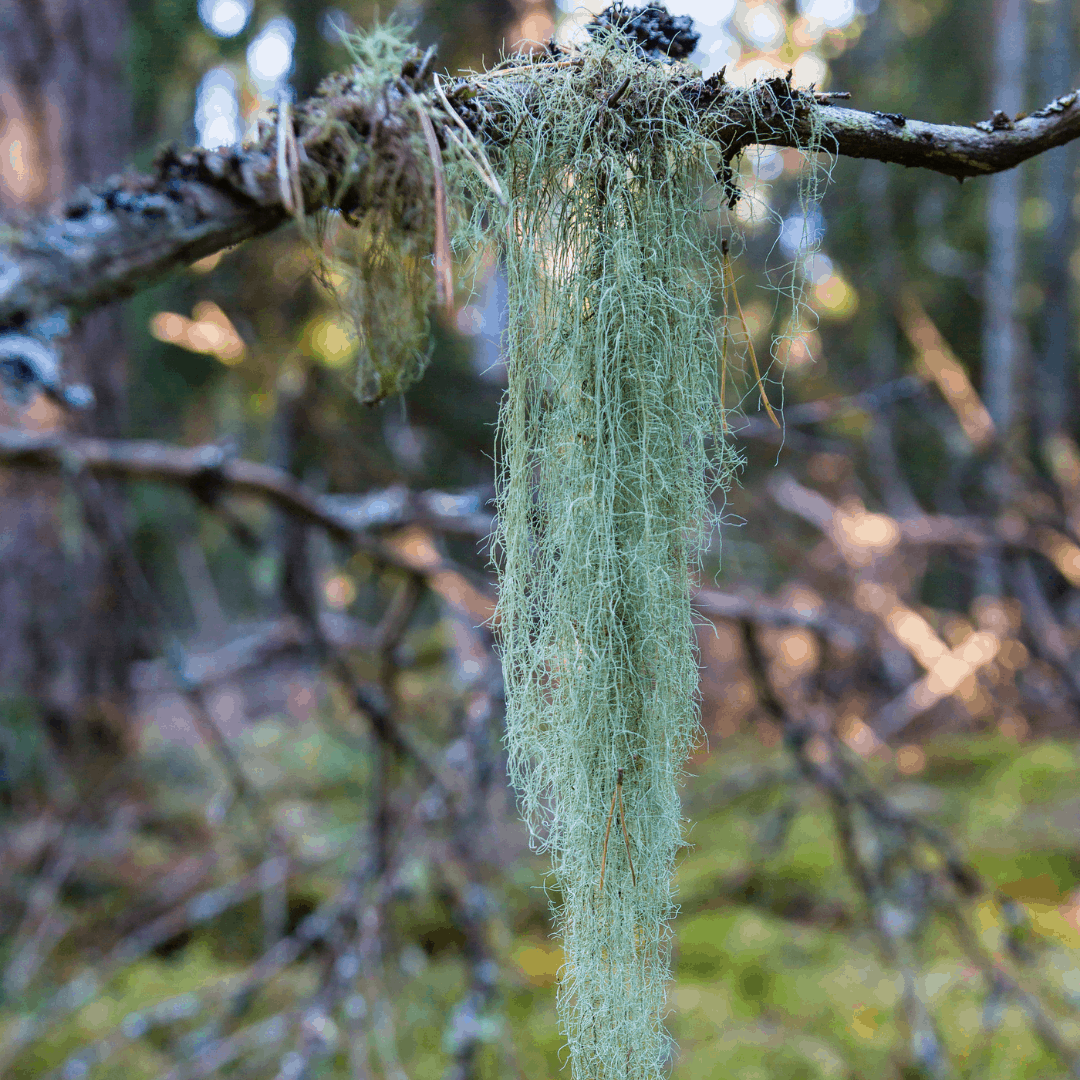
Usnea Lichen (Usnea spp.)
Usnea is technically not a plant; it’s a lichen. It is an excellent broad-spectrum antimicrobial medicinal. Usnea is a relatively simple remedy that serves as a reliable antimicrobial, antifungal, and antiviral agent for the respiratory tract, digestive system, urinary tract, and for both systemic and topical use.
Antimicrobial Acids
Usnea’s antimicrobial activity and biochemical diversity don’t come from alkaloids, terpenes, or triterpenes, as they do with the other herbs we’re discussing. Instead, the activity is mediated through lichenic acids, of which there are many, with the primary one being usnic acid, which possesses a broad-spectrum antiseptic property.
Usnea is mildly astringent. Compared to the other four remedies we’ve discussed, it is the mildest of the astringents. It is somewhat inflammation-modulating. It is ideal to include in most formulas for infection. This is a strong medicinal, and it must be prepared in a specific way by extracting it with hot alcohol. Otherwise, it won’t be an effective medicine. This is an excellent remedy for respiratory tract infections and for urinary tract infections and cystitis. I used it for the bout of bacterial sinusitis I had, and it worked well.
How to Use These Herbs for Sinusitis
There are two options for using these medicines with a neti pot and an insufflation (nasal spray) option. Insufflators are a very convenient way to administer the medicine your sinus tissues need. The neti pot is more involved—it’s not something you can easily do on the go. If you have an acute sinus infection, ideally, you would stay home and avoid running around or travelling. However if you’re really busy or you find that you must travel, an insufflator is a great option. You could use the insufflator while working, for example, and the use the neti pot anytime you’re able.
Neti Option One
Use clean, filtered, and/or boiled water. Reverse osmosis or distilled water is best for this purpose.
The first step is to prepare the herbs. Roots should be prepared as a decoction, and aerial parts are best infused as a tea; just make sure to differentiate between those two preparation methods. I prefer to steep medicinal tea for a long time, so I recommend steeping for at least 45 minutes to an hour.
It’s essential to filter your decoctions and infusions very thoroughly. You don’t want to get root particles up your nose; that would be really uncomfortable. Filter the tea through a muslin bag or multiple layers of cheesecloth. Make sure you don’t see any floating particulate matter or anything else in there.
Next, dissolve a quarter to half teaspoon of salt per eight ounces of neti preparation. It’s easiest to prepare enough tea for the whole day, which should be two to three rinses. Warm it up to lukewarm just before you use it.
Neti Option Two
The other option for the neti pot is to use tinctures. Again, use purified water and the same ratio of salt so you’ll have a saline solution.
Per neti pot, add 45 drops total of tinctures. I want to be very clear: I don’t mean 45 drops of each tincture, I mean 45 drops total. Do not use more than a total of 45 drops in the entire neti pot. That’s about 1.5 ml. I have experimented with this by going up to 60 drops (2 ml), and that was uncomfortable.
The formula I used for myself was 15 drops each of Goldenseal, Yerba Mansa, and Usnea. Sometimes I rotated Yarrow in as well. I rotated simples from time to time so that I was hitting it from multiple biochemical angles, from an antimicrobial perspective.
For addressing sinusitis, I think doing three medicated rounds of the neti pot per day, morning, afternoon, and evening, is adequate. You can also do some nasal insufflation.
The neti pot rinses the sinuses, but if you also have a sore throat, you might try sniffing the medicated solution in more deeply, and that will get some of the tea solution into that area that connects the sinuses and back of the throat. Or you could tilt your head back a bit and try to get some of that neti to wash from the sinuses down the back of the throat. This way, you’ll coat all of those mucosal membranes with the medicinal wash and hopefully get some relief.
Nasal Insufflation
Make up a saline solution to spray with a sinus spray bottle. To two ounces of saline, add one teaspoon of glycerin and 30 total drops of tincture.
Here’s a recipe I learned from Paul Bergner:
- 2 oz saline solution
- 15 drops Yerba Mansa
- 15 drops Goldenseal
- 1 teaspoon glycerin
Shake very well. Spray two pumps into each nostril, sniff it up, and breathe it in multiple times a day. In my situation, I was insufflating every two hours or so. *This is not a preserved medicine, so this solution will not last. It’s important to use it up within a couple of days.
If you or someone you know is struggling with a sinus infection, I encourage you to try some of these things to treat it. It can help you avoid taking antibiotics, which it did for me. I was prescribed a round of amoxicillin, and I said, no thank you. I’ll do this instead and save those antibiotics as a last resort, and it worked.
If you do two to three neti rinses each day, along with some nasal insufflation, usually you’ll see things start to clear up in a few days. Of course, it’s ideal to do some general immune support simultaneously and take some Echinacea, Elderberry, vitamin C, and zinc. Make sure to rest as much as possible, drink plenty of water, and take warm baths.
Breathing in essential oils can also be helpful. Diffusing Eucalyptus or Thieves may help. Also, make sure your mucus membranes don’t get too dry. It’s helpful to steam in the shower or bath.
There you have it, my top five herbs and a couple of recommendations for how to use them to address sinus infections. Hopefully, you learned something new and enjoyed expanding your knowledge of materia medica and topical application possibilities.