
The False Premise of the “Anti” Actions
For a long time, I’ve been against thinking of herbs as “anti,” because I see it as an allopathic way of thinking about them. When we think about an herb as being antibacterial, we tend to treat it like an herbal antibiotic. When the word “antiviral” is next to an herb, it’s common for people to think the herb will kill any virus it might come into contact with, whether herpes simplex virus, human papillomavirus, COVID, the flu, or the common cold. This can lead to mistakes in how we apply herbs for pathogens and infectious states.
However, as Paul Bergner humorously says, he’s had multiple experiences on his plant path where his “karma runs over his dogma.” In other words, you have to occasionally reassess and rethink your approach. I’ve had similar experiences with anti-type herbal actions, specifically those categories of herbs traditionally used to treat infectious states. What we see when we look at these types of actions is that there is often considerable overlap amongst the categories. This can be thought of in terms of degrees of strength.
For example, many herbs that tend to be antiamoebic or antiparasitic are often also antibacterial and antifungal. Most antifungal herbs are also antibacterial, yet many antibacterial herbs are neither antifungal nor antiparasitic.
As I’ve studied the materia medica of the “anti” herbs in depth over time, I’ve noticed patterns, and oftentimes it comes down to the strength of the herbs. There are basic antibacterial herbs, and then there are antifungals that are also antibacterial. Some antiparasitics are also antifungal and antibacterial. The antiviral property tends to be interwoven throughout all of those herbs.
Again, this can lead to an allopathic way of thinking and to the belief that the herb kills bacteria, viruses, or fungi. But do these herbs actually kill microbes? There are some instances where they do, however, often they don’t.
Increasing Host Resistance
Many herbs in the “anti” category stimulate host resistance. The most powerful antimicrobial is actually your own body — your own immune system is the most potent and powerful antiviral and antibacterial ally you have, and the herbs simply support the vital intelligence of your body to fight off these types of pathogens.
For example, many herbs in the “anti” category are diaphoretic. They support the body’s natural response to fever. Many of them are expectorant — they help clear the respiratory tract of phlegm and mucus and aid in a more productive cough.
Many are alterative, so they help to open up the channels of elimination, clear metabolic waste products, and aid lymphatic drainage. As lymphogogues, many herbs in this category help clear heat and damp-heat conditions, which many infectious states produce.
Some of these herbs are inflammation-modulating. There is a whole spectrum of ways in which these herbs support your body’s vital intelligence and natural mechanisms for fighting infection. Of course, all of these actions are coupled with immune stimulation, as these herbs stimulate macrophages, natural killer cells, B cells, and T cells.
Do we get sick because a pathogen enters our body and makes us sick? Or, is it the ecosystem or tissue state that makes the body hospitable to these pathogens, creating an environment where they can flourish and make us sick? Which comes first? It’s a chicken-or-egg situation. People tend to think that, rather than treating the virus or bacteria allopathically, it’s necessary to change the tissue’s ecological state to make it less hospitable to these infections.
Oftentimes, this comes down to clearing heat or damp heat, but not always. Of course, there are also dry respiratory tract infections. So, these two ways of thinking represent fundamentally different approaches — one being allopathic, focused on killing the pathogen, and the other focused on altering the state of tissues or the environment to make it less hospitable to those pathogens.
The Misleading Premise of Scientific Studies
Where do the anti-type properties (antiviral, antibacterial, etc.) come from? What is it that makes an herbal author put that type of herbal action in the property listings for an herb?
Sometimes, herbalists will list the “anti” actions based on the fact that an herb has traditionally been used for a variety of infectious states. Boneset (Eupatorium perfoliatum) has been used for a multitude of viral infections, from dengue fever to influenza, and for many that produce fever. Wormwood (Artemisia absinthium) is a traditional remedy used for GI tract parasitic infections, and Spilanthes (Acmella oleracea) is an herb classically used for the treatment of fungal infections. When an herb has been historically used for those types of infections, often that herb will be considered antifungal or antiviral.
Another approach is based on scientific studies, which is something worth looking at in greater detail. When we consider scientific analysis of plants, what often happens is jumping to conclusions. When we think of the way an herb is studied in the context of science, we often find that when an herb is studied for its anti-type effects, this is done through a particular constituent of the herb. Berberine, for example, might be tested against a specific type of microbe in a Petri dish.
When you culture certain bacteria in a Petri dish and add berberine to see if it reduces the amount of bacteria, if it does, that herb might be considered antibacterial. Consequently, people jump to the conclusion that if berberine killed a particular type of bacteria in a Petri dish, then Oregon Grape root (which contains berberine) will have a systemic effect from oral ingestion of the whole plant. But there are multiple jumps of logic in that last sentence. What the berberine in the Petri dish really tells us is that if you have a bacterial infection with the particular type of bacteria that were part of the experiment, and you put pure berberine directly on the site of infection, you can replicate the previous effect. However, to say that you can ingest the studied herb and any other herb containing berberine internally, and have it kill bacteria, is too much of a leap. This is especially true when you jump from an isolated constituent to using the whole plant.
The Antiviral Myth
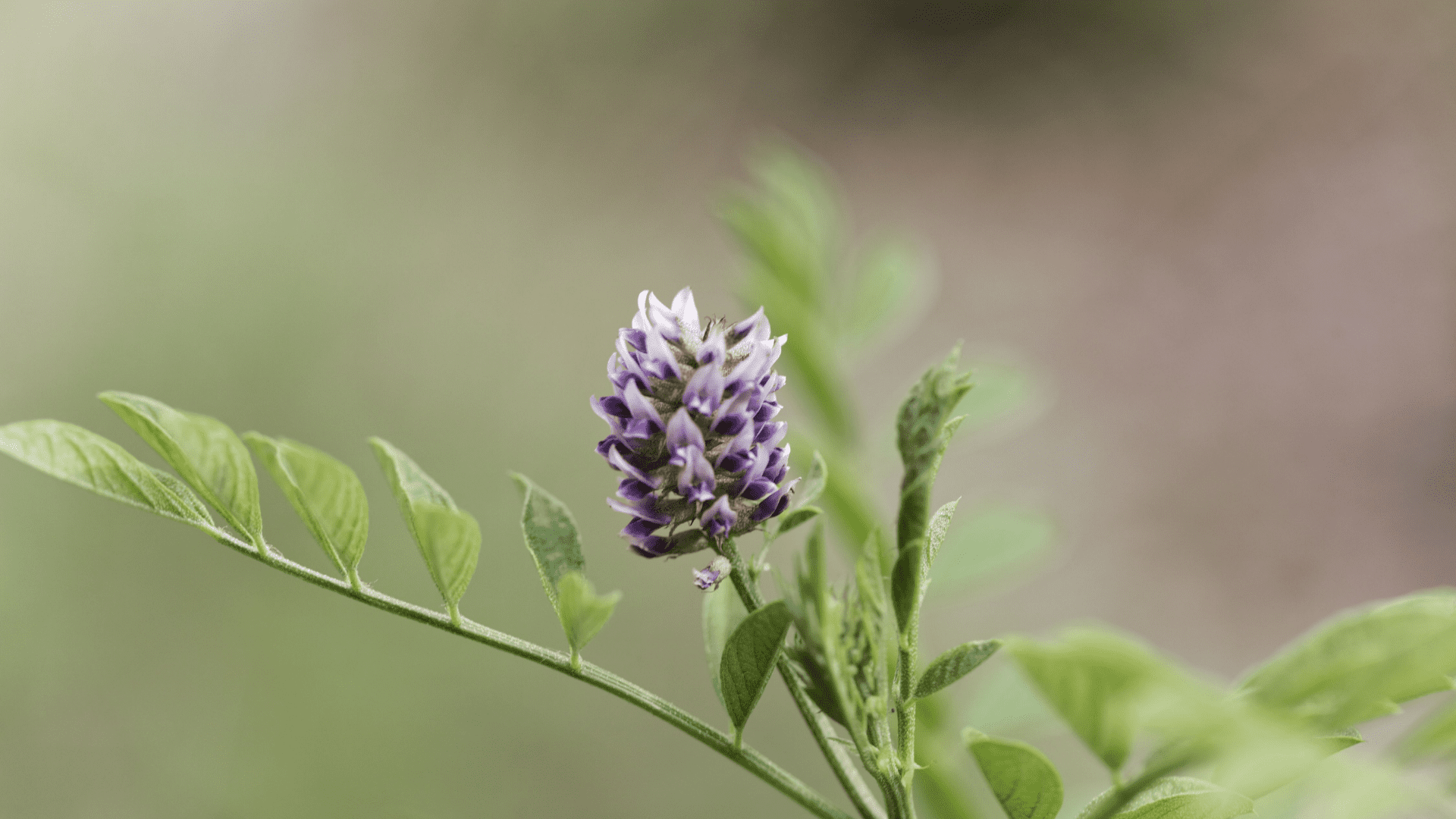
The antiviral property as a whole is an excellent example of this type of leap of logic. Glycyrrhizin from Licorice root (Glycyrrhiza glabra) has been shown to have antiviral activity. However, glycyrrhizin is very poorly absorbed into the bloodstream and, therefore, does not have a systemic effect. In the scientific world, someone will study glycyrrhizin, and show that it affects something like herpes simplex virus or shingles. If glycyrrhizin kills the shingles virus, then Licorice root is considered an antiviral. So then “antiviral” gets placed in a Licorice monograph, for example, and someone reads that and thinks, “Oh, I have influenza, which is a viral infection, therefore I should take Licorice, and it will kill the virus.”
This is what I call the antiviral myth, and it’s a significant misconception in herbal medicine. An herb can kill one virus, but that doesn’t mean it kills all viruses. In fact, there’s no such thing as a broad-spectrum antiviral substance. This is true both of plants and of pharmaceutical medications. In terms of the morphology of viruses, they’re all quite different from one another. They all have different underlying structures and functions.
There are, however, broad-spectrum antibacterials. Bacteria have, at their core, fundamental morphological structures that are similar to one another. Therefore, one substance can act on many types of bacteria.
You can see a great example of the antiviral myth in action with Lemon Balm (Melissa officinalis). If you look at modern monographs on Lemon Balm, they usually list “antiviral” as an action. That action is based on Petri dish research on the herpes simplex virus. Lemon Balm, and, in fact, most volatile oils in the Mint family, will have a degree of activity against the herpes simplex virus. So you’ll see Lemon Balm in creams and the essential oil being used for cold sores and herpes lesions. This leads people to think Lemon Balm is antiviral, so they use it for their cold or flu, but it simply doesn’t kill influenza or rhinovirus strains. There is no research to support that type of action with Lemon Balm. However, Lemon Balm is a bit diaphoretic, and can be very helpful in febrile conditions. It has aspects that can support the symptomatic picture of a febrile condition, but it won’t kill the virus. These are important considerations when you’re looking at materia medica. It’s necessary to be careful not to over-interpret the information.
Another example of this misconception occurred with Lomatium (Lomatium dissectum). Lomatium was used in some regions of the United States during the early 1900s flu epidemic. Some native populations that used Lomatium weren’t dying from influenza, and some people caught on and started using it. Therefore, Lomatium is often seen as an excellent antiviral for influenza, but some studies have shown it doesn’t do a very good job of killing the virus.
So what does Lomatium do? It’s a fantastic expectorant and diaphoretic. It is decent at stimulating immunity. It contains a lot of resins and volatile oils and it’s not useless against viral infections, but it may not kill the virus itself. This is where I feel like we have to be a little bit careful with the concept of antiviral. I think a monograph listing that says “antiviral” should be more specific about which virus, specifically, that remedy is helpful for, and whether it is useful in that way topically or internally. With some of the research, the most you can extrapolate is to say that the herb is antiviral in topical applications of that herb.
The Herbal Antibiotic Myth
We also have the concept of herbal antibiotics. That terminology is problematic. Not many people would actually call an herb an antibiotic, but the term “antibacterial” implies the same thing. Of course, antibiotics are potent medicines and they’re significantly overused, leading to many problems in modern human health. At the advent of antibiotics, the original researchers said these medicines should be reserved for worst-case scenarios. But many of us have heard of doctors prescribing antibiotics for viral infections, and the rationale has been that it’s “just in case.”
Antibacterial herbs do not function in the same way as conventional antibiotics. They’re certainly not as powerful. And that brings up a lot of questions I’ve received, like: does an herbal antibacterial affect the gut flora in the same way as antibiotics, which can totally wipe out the gut flora? It’s tough to say yes or no across all herbs, but it doesn’t seem to be true that herbal antibiotics will wipe out beneficial gut flora.
Berberine is a heavily researched substance and has been given in large amounts to individuals. Their gut flora was tested before and after those high doses of berberine, and no disruption was observed. In these cases, berberine was taken in significantly higher amounts than you would be able to get from any berberine-containing herb, such as Barberry, Oregon Grape, Yellow root, Coptis, or Goldenseal. So, herbs do not seem to disrupt gut flora as a standard antibiotic does. Similarly, bacteria don’t appear to be able to develop herbal antibacterial resistance in the same way they can develop antibiotic resistance. Why is that? Here we see the result of the biochemical complexity of medicinal plants.
The constituent synergy that occurs in medicinal plants is so complex that bacteria cannot evolve around it. Antibiotics are singular substances, and bacteria reproduce so quickly that they can learn how to develop a resistance to a single compound. However, when you take Oregon Grape root, you have far more than berberine alone. You have a host of other isoquinoline alkaloids, many other bitter substances, and a whole slew of biochemical complexity. That is simply too much for the bacteria to handle. The herb is smarter than the bacteria. So, in that way, it does not appear that bacteria have the capacity to develop resistance to herbal antibacterials in the way they can to a drug.
Important Factors for “Anti” Herbs
There are some important factors to consider with the “anti” herbal materia medica.
Organ Specificity
First, consider organ specificity. Where is the infection? Is it in the urinary tract? Is it in the lungs? Is it on the skin? Is it in the digestive tract? It is essential to select herbs that target the site of infection. It’s important to consider the tissue state energetics and the herb’s energetics. It’s important not to get hung up on whether the herb is antifungal or antimicrobial.
Think about whether a cough is hot and dry or damp. Is it a hot, burning urinary tract infection or is it a lax, damp, stagnant-type urinary tract infection, that may be cooler? You’ll see different tissue-state energetics for different infectious patterns, and it’s important to match the herbal energetics to the condition, whether it’s antibacterial, antiviral, antifungal, or whatever.
If you give something like Osha (Ligusticum porteri) or Lomatium, which are pungent, stimulant expectorant herbs for a hot, dry cough, it doesn’t matter if you’re killing the pathogen. You’ll irritate the tissue state and make their cough worse, and your patient will not be very happy with you. So, make sure you target organ affinity and energetics, and address what’s in front of you.
Don’t Overly Focus on the Pathogen
Look at the constellation of symptoms. What are their primary complaints? Do they have a fever? Do they have a cough? What is the state of the cough? Do they have diarrhea? Do they have scalding urine? Is there pus on the skin? What do we have going on here? Simply address those things without hyper-focusing on the pathogen itself.
Top 10 Broad-Spectrum “Anti” Herbs
Now let’s talk about my top ten favorite relatively strong, relatively broad-spectrum “anti” herbs. This is a good place to start deeper research into these herbs and how you might use them in your herbal practice.
Usnea (Usnea spp.)
The first one isn’t actually a plant; it’s a lichen: Usnea or Old Man’s Beard. It grows all over my property out here in the Pacific Northwest, and I love Usnea because it has a strong affinity for the respiratory, urinary, and digestive systems.
Because it is a lichen, a lot of its “anti” properties are due to constituents that you don’t tend to find in typical terrestrial plants. We’re talking about the usnic acids, which tend to have a slightly different mechanism.
When you’re creating an herbal formula to address an infectious state, sometimes, looking at the constituents in plants can be useful. Honestly, it is pointless to combine Oregon Grape with Goldenseal in a formula. After all, they’re both isoquinoline alkaloid-containing herbs. They both contain berberine. They have slightly different properties, but the space occupied by one of those herbs could be filled by another herb with a different mechanism for achieving its anti-type properties. So Usnea is fantastic.
Black Walnut (Juglans nigra)
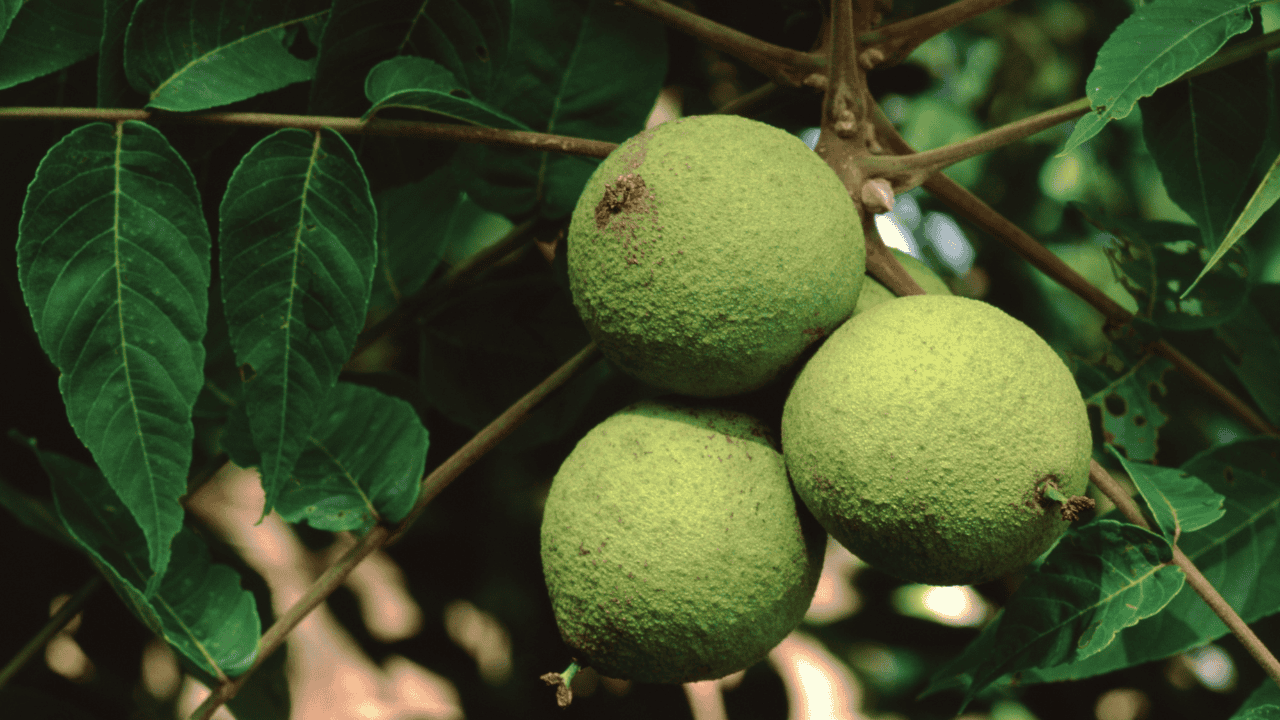
The second herb is Black Walnut, which is specific for the digestive system. This is one of our key antiparasitic and antiamoebic herbs. It also has antifungal and antibacterial effects, but is very specific to the digestive system.
Andrographis (Andrographis paniculata)
Andrographis is a newer herb for me, one I’ve been using more and more over the last several years because it is bloody strong. This Ayurvedic herb really works everywhere in the body. You can use it topically. You can use it for the respiratory, urinary, and GI tracts. It enters the bloodstream and works very strongly.
This herb is known in Ayurveda as Kalamegh, which means “king of the bitters.” Don’t make decoctions of it and expect to drink whole cups! This herb is best used as a tincture. It is very strong, very bitter, and tough to get down, but very effective.
Elecampane (Inula helenium)
Elecampane is an excellent and versatile remedy for the respiratory tract. I think of Elecampane as my respiratory Swiss army knife because it can go in many different directions depending on how you formulate it.
It has a pleasant, resinous aromatic quality for the lungs. People tend to overlook that it’s also excellent in the GI tract, and it actually has very excellent antiparasitic, antiamoebic properties. It combines nicely with Black Walnut hull for that purpose.
Pipsissewa (Chimaphila umbellata)
Pipsissewa is a very specific remedy for the urinary tract. It has a similar anti-constituent profile to Uva Ursi. These are all uricasiae family plants — Uva Ursi, Madrone, Manzanita, and Pipsissewa, which are all arbutin-containing herbs.
Arbutin is converted in the urinary tract to the highly antibacterial substance hydroquinone in acidic urine. Hydroquinone is a potent antiseptic in the urinary tract. What’s nice about Pipsissewa is that it’s not as astringent as Uva Ursi. For some people with slightly sensitive stomachs, Uva Ursi’s astringency can be a bit much. Pipsissewa is less intense in that way.
Garlic (Allium sativum)
Garlic is an easy herb to overlook because it’s so common. But this is a powerful herb, and it is universally anti (almost) everything. Not much can survive in the environment of Garlic.
In folklore, Garlic is said to repel vampires. If you think about what a vampire is, it sucks your blood, draining your vitality. Infectious states could be thought of as being similar. There is probably a more esoteric meaning for that as well, warding off evil spirits and the like.
Garlic is very effective, but it is best used fresh. Simply crush it, let it oxidize for ten minutes, and use it with any type of infection. Garlic also stimulates immunity, has a very strong respiratory affinity, and has very unique constituents that have these properties, the organo-sulfur compounds. Garlic has such a strong affinity for the respiratory tract that if you do a foot bath in Garlic, you’ll get Garlic breath. Those sulfur compounds are absorbed through the skin, travel through the blood, and are excreted through the respiratory tract. That’s a really strong respiratory affinity. That’s one of the unique things about Garlic, and it creates a very useful antibacterial environment.
Of course, Garlic is a very hot herb, so be careful with those hot, dry, irritable conditions, and reserve it for cold, damp situations.
Osha (Ligusticum porteri)
Osha is an excellent respiratory remedy. Here in the Northwest, we have Ligusticum grayi, which I use most.
It is questionable whether Osha is antiviral per se. It doesn’t appear to actually kill viruses, as some people claim. Nonetheless, it is very supportive for respiratory tract infections, especially those of a cold, damp nature. It’s also blood-moving and diaphoretic. So there are many other ways Osha is supportive, especially in febrile-type infections and upper respiratory tract infections.
Berberine-containing herbs: Oregon Grape root, Barberry, Yellow root, Coptis, etc.
All of the berberine plants are very useful herbs. Oregon Grape, Goldenseal, Yellow Root, Chinese Coptis, Philodendron, Barberry, and more. There are many herbs with bright yellow berberine alkaloids.
Along with other alkaloids, we tend to tunnel vision in on berberine, but there are many other alkaloids present in that category, and they tend to have an affinity for the digestive system. Berberine is excreted in the urinary tract, so it is a valuable class of remedy to consider for UTI.
I don’t think it’s as strong on the respiratory system from oral use, but it’s fantastic for topical use. Goldenseal is good for the upper respiratory mucosa, especially topically in the throat, and in sinus washes such as neti pots and sinus sprays. It is also great for any kind of bacterial infection on the skin such as MRSA, impetigo, or cellulitis.
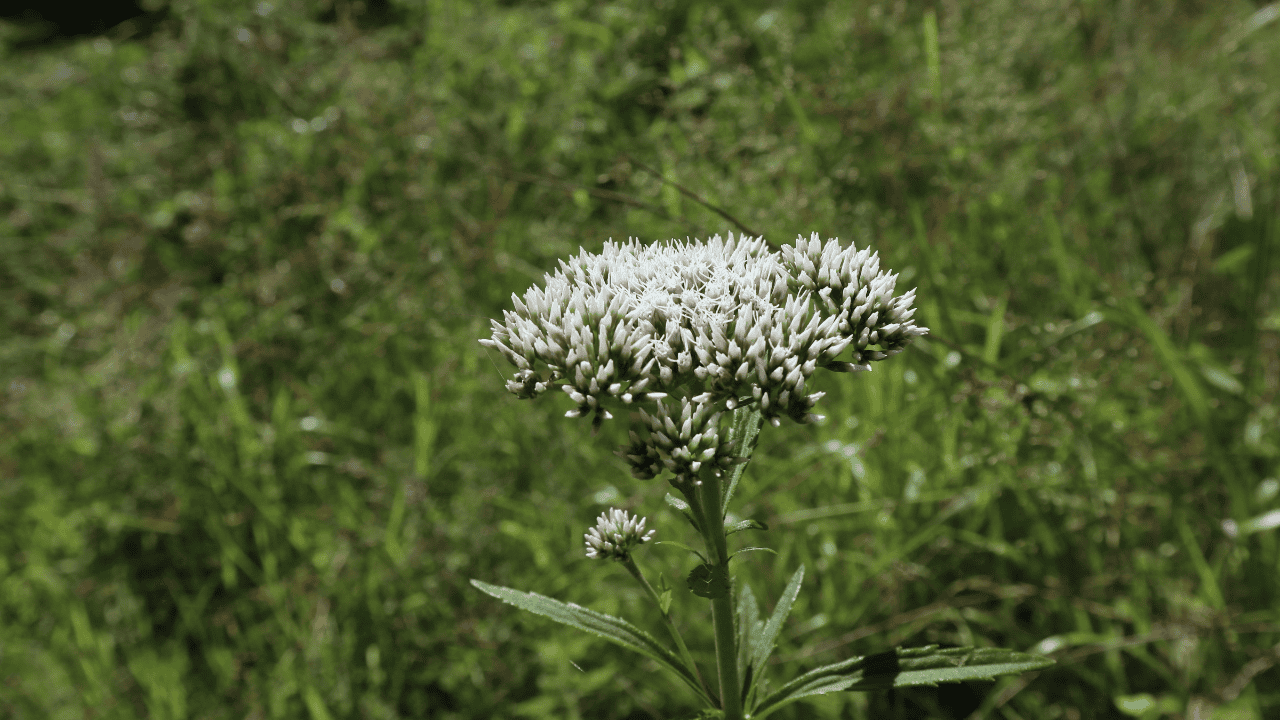
Boneset (Eupatorium perfoliatum)
Boneset is a very bitter remedy that’s useful for the respiratory and digestive systems.
Of course, this is one of our best herbs for febrile diseases. It gets its name from breakbone fever (dengue fever), for which it was used extensively in traditional North American herbal medicine. This herb is a very good diaphoretic. It stimulates the immune system and is classically used for a wide range of viral infections.
Is it antiviral in the sense of killing the virus? It’s hard to say. I don’t know how much it matters, because it’s beneficial for any type of viral infection. If there were an outbreak of a febrile viral pathogen, Boneset would probably be my first choice of herb.
Neem (Azadirachta indica)
Lastly, we have Neem. This is an Ayurvedic herb that is very bitter and powerful. It is broad-spectrum for the digestive system and blood, but I think of Neem as an everywhere herb. It is applicable for a wide variety of infectious states. It is excellent for topical uses as an antifungal and antibacterial.
All of these herbs are pretty awful-tasting plants, and the worse they taste, the more antimicrobial they are likely to be. Just as we find these unpleasant in our mouths, the pathogens likely find them equally unpleasant to be surrounded by within the human body.
So that was my top ten. Of course, it is tough to choose. There are a lot of remedies in these listings, but these are the ones I’ve used myself extensively and find them to be highly effective.
I hope you found this information informative to consider the concept of these “anti-herbs” in a more broad-spectrum way. Hopefully, this will reorient your thinking a little so you don’t fall too deeply into the allopathic trap and so you can think a little more broadly about what these herbs are doing and how they, in the grand scheme of things, support the body’s vital intelligence in fighting off infections.
Ultimately, your body is equipped to fight off pathogens; it is uniquely designed and has evolved over a long period of time to protect itself, and sometimes it just needs a little bit of help from our herbal friends.