What is the dotted line that connects the various, seemingly disparate ways of seeing and understanding the meaning of the word “tonic”?
Tonic has a specific meaning in Chinese medicine, which is quite different than its meaning in Western medicine and herbalism. Even within Western herbalism, there is more than one meaning. Let’s break this word down and get some perspective on it, so that when you see this word in your studies, you’ll have a clear idea of what it means in a particular context.
Exploring The Meaning of “Tonic”
There are four classes of tonics to consider in herbalism. While each is quite different from the others, they share a single desired therapeutic result.
One dictionary definition of tonic is “a medicinal substance taken to give a feeling of vigor or well-being.” This is a nebulous and frankly useless definition of a medicinal action. Further down the definitions list, it says, “relating to or restoring normal tone to muscles or other organs.” This is a bit more specific but still needs elaboration to make it useful.
By comparison, “demulcent” is a word we use to indicate a very specific herbal action. It has a precise definition that expresses a distinct physiological response within the body. Demulcents are substances that hydrate or moisten dried-out tissues.
Substances that give a feeling of vigor or well-being could be just about anything! A person might take a pinch of Cayenne (Capsicum annuum) and consequently feel vigor. Someone else might take a shot of Skullcap (Scutellaria lateriflora) tincture and feel an increase in their well-being. In this context, almost anything could be considered a tonic.
We also have the colloquial term “health tonic.” What is a health tonic? What is a tonic bar? There are many contexts in which we encounter this word, yet most people don’t know what it means.
The primary, agreed-upon understanding of tonics is that they enhance your health. However, each person’s health is unique. Something that improves one person’s health might be detrimental to another’s.
In terms of increasing vigor and well-being, we might think of vitality and the vital force. This concept posits that each of us has a highly intelligent, self-regulating force that, when provided everything it needs, maintains our health. It gives us a feeling of energy when needed and of tiredness when needed. It provides us with a feeling of hunger or satiation when those are appropriate. When the body is vital and the vital force is strong, the body is in harmony with nature.
When we are vital, our organ systems are working properly and will promote longevity. Vitality also reflects in our emotional, psychological, and spiritual states. The vital force permeates all layers of the self and our whole being because it is the organizing principle. It is what unifies all layers of the self into a whole and is at the foundation of how a human being is constituted.
A tonic should be almost universally applicable, though everyone is unique. That is a tall order! Therefore, we must ask the following questions:
- What are the things, regardless of who you are or your state of health, that will promote your wellness and vitality?
- Which essential systems in the body make us feel vital and healthy?
- What can we do every day to stay vital and healthy, and is there a universal substance or practice that would promote this for everyone?
At the root of these questions lies the fundamental determinants of our health.

The Pillars of Health & Vitality
The main determinants of our health are:
- Sleep
- Hydration
- Movement and exercise
- Diet and nutrition
- Purpose and meaning
These five health determinants correlate to the five elements. With the Earth element, we have diet and nutrition. With the Water element, we have hydration via both water and oil. The Air element encompasses our psychological and cognitive health, and correlates to sleep. The Fire element corresponds to our activity levels, movement, and exercise. The Ether element corresponds to our spiritual connection, purpose, meaning, and a sense of something greater than the self. Ether corresponds to that which guides our moral virtue and serves as a guiding principle for life. These pillars are the foundation that determines our state of vitality and health or lack thereof.
Now, let’s go even deeper and ask what is at the root of these pillars of health. The digestive system, our baseline nutrient status, and our body’s capacity to properly digest, absorb, and assimilate nutrients and expel waste products are at the root of the vital tree. If that root is unhealthy or not functioning well, the entire system is affected, and we won’t feel vital or healthy. This is where we start to see the term “tonic” manifest in various ways in the realm of herbal medicine. There is a connection to overall vitality, energy, clarity, physical strength, and psychological and emotional strength. This is our ability to deal with life and reality. There is one aspect of digestion and nutrition and another of tissue tone.
How do you feel when you’re deficient? When you feel like you’re lacking vitality, are you able to sit upright, or does your body feel like a limp noodle? Parents know that when their kids’ bodies look like they’re turning to jelly and they’re having temper tantrums, it means they’re having a tough day or a tough hour. In this situation, it’s difficult to carry them because they often have a lack of tone, or a relaxation tissue state.
In Chinese medicine, when tissues have lost their form and structural tone, this is referred to as qi deficiency or collapsed qi. Qi and particularly Spleen qi holds things upright and keeps everything in its proper place. When our tissues and structures are held upright and/or in their proper places with adequate tone, this is an expression of vitality.
When there is a lack of vitality, things become loose, and we get lazy and apathetic, and things fall out of place, which is symbolic of what can happen physically. There may be prolapses in various parts of the body, and things may also start to fall out of place in your life. Things slip between the cracks, and you don’t attend to matters very well.
Now let’s take a closer look at the term “tonic.” In the context of herbal medicine, there are four primary expressions of tonics, all of which assist with vitality, vigor, and well-being.
Astringent Tonics
Let us begin with what should be the most obvious category (but isn’t!): astringent tonics. Tone is at the root of the word “tonic.” What is tone? In music, the tone of an instrument is determined by its tuning. It is a good analogy for the tone or quality of a tissue. If an instrument is downtuned or loose, the strings are floppy, and that correlates to a relaxation tissue state. If an instrument is tuned and more hypertonic, it may be wound too tightly. If the string is too tight, it can pop. When tissue is too tight, that is a tension tissue state. There is a polarity between hypotonic (relaxed or loose) and hypertonic (tight or tense).
The astringent class of remedies tightens and increases tissue tone. When a tissue becomes lax or loose, it might leak like a runny nose, postnasal drip, or diarrhea. When connective tissue no longer holds the tissues in their proper place, those tissues can prolapse. Examples are varicose veins, hemorrhoids, and prolapsed organs. These are all expressions of a relaxed tissue state. Astringent is the general property we use to address a relaxed tissue state. It is a tonic, meaning it increases tissue tone, similar to tightening a guitar string.
The word “tonic” is used frequently in North American herbal traditions. The Physiomedicalists, especially, describe herbs in three fundamental ways. Herbs are seen as being tonic, stimulant, or relaxant. These are based on the ECR cycle, which describes the neuromuscular junction, where the nervous system connects to the musculoskeletal system. The nerve innervates a muscle fiber, and when excited or stimulated, “E,” the muscle contracts, increasing tone. This is the “C,” contraction. Then the muscle and nerve relax, which is the “R,” relaxation. There was a comparatively rudimentary understanding of the nervous system back then, but it is a valuable model, encompassing stimulants, relaxants, and tonics.
Astringent Tonic Herbs
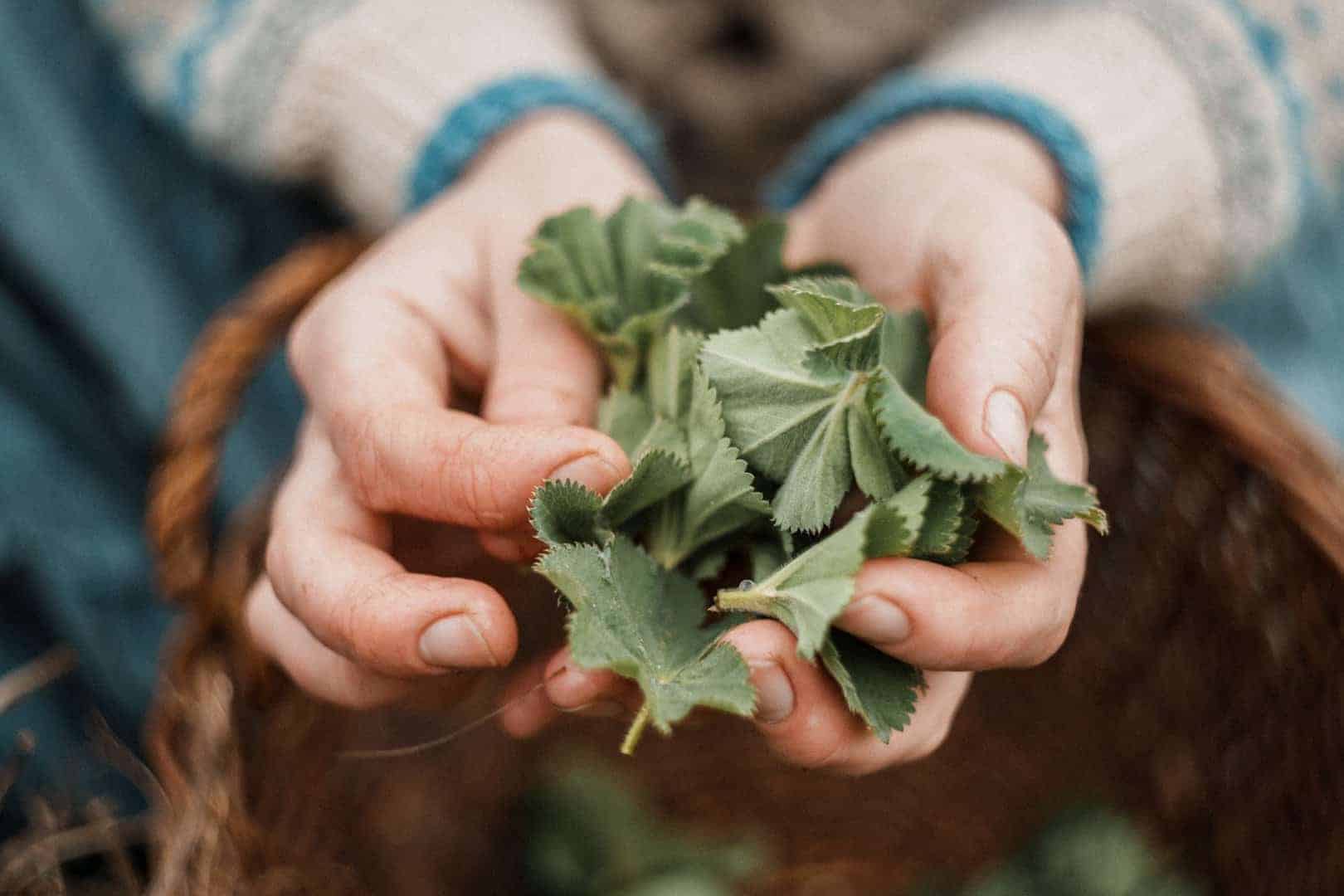
There are many Oaks, and they’re all astringent, but Oak bark (Quercus alba) is sometimes considered the king of the astringents. It is a powerful astringent tonic. Goldenseal (Hydrastis canadensis) is archetypal in terms of our North American materia medica. Ladies Mantle (Alchemilla vulgaris) is a fantastic astringent herb for the female reproductive system. Rose (Rosa centifolia) is an excellent tonic astringent for the skin. Witch Hazel (Hamamelis virginiana), as an extract or liniment, is commonly used as a tonic astringent to tone the skin, and is also used topically for varicose veins and hemorrhoids. Finally, Willow bark (Salix alba) is quite astringent, bitter, and cooling.

Nutritive Tonics
Our second category is nutritive tonics. This is a common category you’ll see in your materia medica books. This one makes sense if we approach it with our nebulous definition of tonics, since it’s easy to see how nutritive tonics enhance vigor and well-being. If you supply your body with the nutrients it needs to function properly, you are likely to feel healthier. Sometimes the difference may be subtle, but if you’re truly deficient in a particular nutrient and then replenish it, you’ll notice a difference.
Suppose you’re deficient in magnesium and you have eye and muscle twitches, difficulty sleeping, and tend to be a little spasmodic. In that case, you might have more of a tension-type tissue state rather than a relaxation tissue state. If you replenish your magnesium levels, you’re likely to feel much better and more vital. You’ll probably feel more energy, too, because magnesium is an essential part of the TCA (Krebs) cycle, which is involved in producing cellular energy in the form of ATP.
Paul Bergner, one of my herbal medicine teachers, taught me the alphabet analogy, which I use often (thank you again, Mr. Bergner; I’ll forever be tipping my hat to you). If you aren’t familiar with Paul’s work, I encourage you to check out his materials.
Paul gives us an analogy: our biochemistry is like an alphabet, and the nutrients, trace elements, minerals, and amino acids are the letters in it. Our biochemical processes are like a language. When all the letters of the alphabet are all present, everything hums along nicely; our biochemistry works properly, and the language of the body can express itself. However, if you are missing the letter A, the letter E, and the letter O, that’s three primary vowels in the English language. It will be tough for you to speak or write in English without those three vowels.
It is very similar to our biochemistry and our nutritional status. If we are missing specific nutrients, some of which you don’t really need a lot of, for example, copper or boron, trace elements, you don’t need much, though they are necessary. If you don’t have them, something can go wrong.
The nutritive tonics fill in those micronutrient deficiencies. Obviously, they won’t provide macronutrients like fat, carbohydrate, and protein — that’s what food is for. But micronutrient supplementation is necessary because modern food is lacking much of what we need.
If you look at the nutrient levels in food today, at the time of this writing in 2026, and you compare that to the nutrient status of food half a century ago, it is tanking. This problem is primarily attributed to conventional farming practices, monoculture, and industrial-scale food production. These practices strip nutrients out of the soil, and it’s how the plains of the Midwest have been stripped of topsoil and become basically barren. The nutritional status of the soil and plants goes down, and therefore, the nutritional status of the people goes down. Health, vitality, and vigor go down.
The nutritive tonics are tonic in the sense that they increase the nutritional status of the person, which will enable the biochemical processes of the body to function better, which will generally improve one’s well-being. We need to be optimally nourished to be healthy. This concept is health 101: eat good food, optimally nourish yourself. Your body needs nutrients to function well. Make sure you’re providing it with those nutrients, because a lot of those nutrients must be supplemented from exogenous sources.
When considering the nutritive tonic materia medica, you’ll notice that most of the herbs classified as nutritive tonics are also mildly astringent. All the herbs that are nutritive and rich in minerals also exhibit some astringency. They are both nutritive and tonifying.
Nutritive Tonic Herbs
The nutritive tonics are herbs that dwell on the edge between herbal medicine and food. Some of these herbs really are food. Others are simply nutritive tonics, rich in minerals and often vitamins. Alfalfa (Medicago sativa) is an excellent nutritive. Oat Straw (Avena sativa) is the straw of oats or the oat grass. The milky seed head is similar in that it’s nutritive and mineral-rich. Here’s a little side note about Milky Oats: Milky Oat Seed, when tinctured fresh, is a very different remedy from Oat Straw. Milky Oats is your nerve trophorestorative par excellence. It’s a fantastic remedy to replenish, nourish, strengthen, and revitalize the nervous system. I mention this because I see people putting dried Milky Oat seed in tea blends and then saying it’s really good for the nervous system. It isn’t. It is a great mineral-rich herb; however, once the milky white latex in Milky Oat seed dries out, it loses much of its nervous system trophorestorative effect.
Raspberry leaf (Rubus idaeus) is a classic nutritive. Nettle leaf (Urtica dioica) is an important nutritive tonic, and Horsetail (Equisetum arvense) is also excellent. These are all very mineral-rich herbs. Oat Straw is not particularly astringent; Alfalfa is a little bit astringent, and Raspberry leaf, Nettle leaf, and Horsetail are quite astringent.
All herbs have minerals in them, but the nutritional status of a specific batch of herbs depends on where they’re grown and the nature of the soil.

Bitter Tonics
This category is perhaps the most confusing. How does the bitter taste enhance health and vitality? It isn’t an obvious connection. Bitters tend to be cold, draining, and drying, so you don’t usually feel vigorous after taking them. The feeling is usually something like “Whoa, that tastes horrible. But okay, I don’t feel so bloated anymore.”
So why bitter tonic? There are many bitter remedies and some aren’t astringent at all, so we can’t make the connection we make between nutritive tonics and astringent tonics, where a lot of the nutritive tonics are also astringent. So what do bitter tonics do? The general property of a bitter tonic is that it stimulates digestion. It enhances the body’s capacity to digest, absorb, and assimilate nutrients. Some bitter herbs are more anabolic, while others are more catabolic.
On the anabolic side, bitters affect the stomach, small intestine, and colon. Depending on how bitter the herb is, they also stimulate pancreatic enzyme secretion, liver bile production, and gallbladder bile secretion. Bitters optimize the primary and secondary digestive apparatuses for digestion. On the catabolic side, we have our bitter alteratives. The truly potent bitter alteratives are cleansing, detoxifying, and purifying to the channels of elimination.
Thinking through this question of how bitters might support health and vitality, if you strengthen digestion over the long term, you’ll enhance vigor and well-being because if you’re digesting, absorbing, and assimilating food well, you’re improving your nutritional status. This is essentially what we just discussed with the nutritive tonics.
This is a longer-term resultant effect. Bitter tonics don’t exactly give you more vitality. Instead, they enhance digestion, therefore making nutrients more bioavailable. Theoretically, this improves overall health and well-being. The dynamic of bitterness, which is tonifying to the system, stems from the enhanced vitality we achieve through optimized digestion.
Have you ever wondered why tonic water has the word “tonic” in its name? I used to think tonic water was just carbonated water, but one time someone asked me if I wanted a tonic water. I said, “Oh, sure, bubbly water sounds nice.” I took a big sip, and I was like, “Whoa! What the hell is this?” It was very bitter, and I wondered why anyone would want to drink it (obviously, I’m not much of a cocktail drinker!). I researched tonic water to learn about its origin. Tonic water gets its bitter flavor from quinine, an alkaloid that comes from Cinchona bark (Cinchona Officinalis). At one time, it was used to purify water and make it potable, and Cinchona and quinine are used as malaria preventatives. The bitterness of quinine in tonic water makes it a desirable cocktail mixer, with gin for example, and it’s called “tonic” because it is bitter.
Because we’re discussing bitters, it’s important to mention that excessive use or misuse of bitters can actually be damaging to the GI in the long run. Bitters tend to be cold, dry plants, so you have to be careful because, while they do stimulate digestion, if you’re constantly stimulating digestion with bitter herbs, eventually you’ll overstimulate it. Then the pendulum shifts, and your digestion can become weak, cold, and deficient. We refer to this as cold damage to the digestion from the misuse of bitters.
Bitter Tonic Herbs
Dandelion (Taraxacum officinale) is a reliable bitter. Dandelion root is a bit sweet and bitter, and very nutritive. Dandelion is an excellent example of an overall tonic plant because it is mineral-rich and nutritive as well as bitter. It will have a tonifying effect on the system. The leaf is more of a kidney diuretic. The root is more for the liver.
Artichoke (Cynara scolymus) is a bitter tonic that I have grown to love and appreciate. It is great as a food, but as a medicine, the leaf is an excellent bitter tonic for digestion. It is also a liver protective that helps to regulate cholesterol, triglycerides, and metabolic syndrome patterns.
Blessed thistle (Cnicus benedictus) is a great bitter. We also have Oregon Grape root (Berberis aquifolium) and Gentian (Gentiana lutea). These are all very reliable bitter tonics. The strongest one is Gentian, which is extremely bitter.
Often, we mix bitters with warming, aromatic carminative herbs to prevent imbalance from cold. These herbs will warm up the bitters without interfering with their action. Gentian and Ginger is a classic combination, and these two balance each other out.
Vital Tonics
Our last category is the vital tonics. This is where we get into the Chinese concept of tonification: in that system, to be a tonifying herb or a tonifying therapy, it must directly strengthen and nourish the body. We could say that something which brings vitality optimizes the structure and function of a particular organ or tissue of the body.
It is worth mentioning that Chinese concepts of organs differ from Western concepts. They are physioenergetic in nature, not necessarily organs with specific locations as in Western thought. In traditional Chinese medicine, we have yang and yin, the primal duality, as well as qi, coupled with a particular organ. For example, there are Kidney yin tonics, Kidney yang tonics, Liver yin tonics, Liver yang tonics, Spleen qi tonics, and Blood tonics.
I think of these as vital tonics because they work through nourishing and strengthening a particular attribute of the body. The way I differentiate the vital tonics is that some focus on a particular organ system or tissue of the body, while others are more global or constitutional vital tonics, more systemic in their attributes. The global constitutional vital tonics correlate to the adaptogen class of herbs.
Not all adaptogens are necessarily tonic herbs in the TCM sense, and certainly not all TCM tonifying herbs are adaptogens. For example, Blood tonics are herbs that build Blood in Chinese medicine. Those are not adaptogens. That said, many adaptogenic herbs, as defined in Western herbalism, are closely related to the Kidney tonics. In Chinese medicine, many adaptogens influence Kidney yin and Kidney yang. They support us by affecting global organ systems in the body, rather than a single organ such as the liver or the stomach.
Adaptogens particularly support the nervous and endocrine systems. Many of them have a particular influence on the hypothalamic-pituitary-adrenal axis, the autonomic nervous function, and the balance of the sympathetic and parasympathetic nervous systems. Often, they are nourishing, replenishing, and revitalizing. If you take enough of an adaptogen, you typically feel vigor and well-being. With a well-prepared adaptogen herb or formula, you should notice a feeling of increased well-being, vigor, and mental clarity, with less fatigue. This is probably why they’re so popular these days. Often, adaptogens also work on the immune system, but when used appropriately, they are not overly stimulating. They should be nourishing, rebuilding, and restore function, which is a nice expression of the tonic virtue.
We can also translate the concept of vital tonics into organ-specific trophorestoratives in Western herbal medicine. These are the herbs that are like food for a particular organ. They have a unique effect of rebuilding and restoring that organ from oxidative damage and years of abuse.
Organ-Specific Vital Tonic Herbs
Though this is not a direct correlation, the organ-specific tonics are the closest Western equivalent to the TCM concepts of organ tonics such as Liver yang or Liver yin tonics. They nourish, restore, and strengthen the structure and function of a particular organ. You could actually replace the word trophorestorative with tonic: a heart tonic, a liver tonic, a nerve tonic, and so on.
Examples of organ-specific vital tonics include Milk Thistle (Silybum marianum), which serves as a liver trophorestorative. Milky Oats (Avena sativa) can serve as a nerve trophorestorative, and Hawthorn (Crataegus laevigata) can serve as a cardiac trophorestorative.
Global Vital Tonic Herbs (Adaptogens)
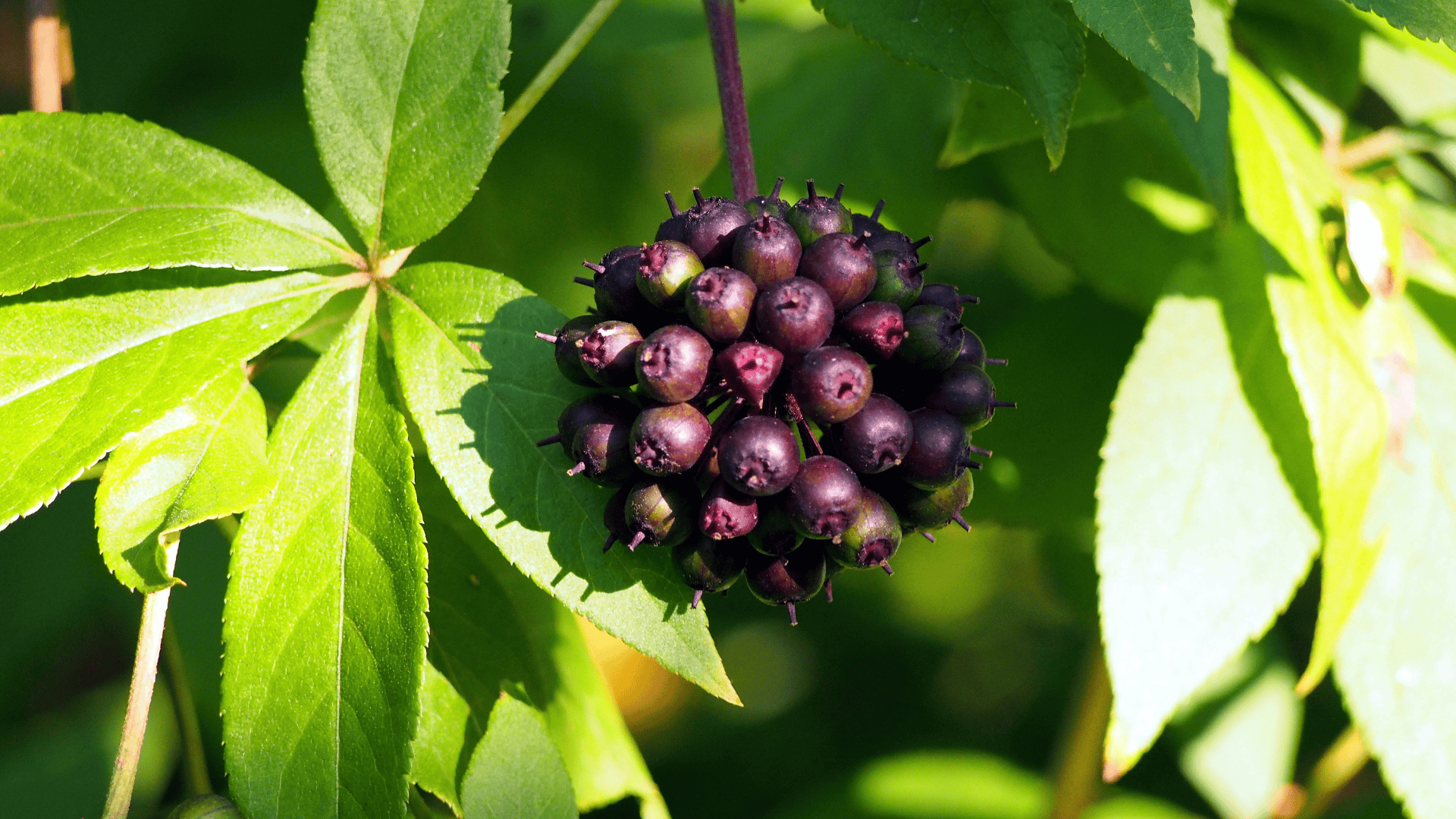
For the global vital tonics, which are adaptogens, we have American ginseng (Panax quinquefolius), Asian ginseng (Panax Ginseng), and Rhodiola (Rhodiola Rosea). We can also include Eleuthero (Eleutherococcus senticosus), also known as Siberian Ginseng, and Ashwagandha (Withania somnifera), which is very popular these days. Cordyceps (Cordyceps sinensis or militaris) is an excellent remedy because it serves as a global adaptogen and a specific trophorestorative for the lungs and kidneys. It is very good for autoimmune kidney disease and glomerulonephritis.
I hope you enjoyed exploring the dynamics and territory of the word “tonic,” and that, from now on, when you see this word, you’ll have a framework for evaluating whether and how a particular herb is a tonic. You can ask yourself which tonic category it would fit into. All of these remedies point toward the same mountaintop: greater health and vitality, promoting longevity and preventing disease. The goal is to live a happy, healthy life, and hopefully, this information will help you to support yourself, your clients, and the people you serve in your pocket of the world.
FAQ
What is a tonic herb?
A tonic herb supports vitality, resilience, and/or the healthy function of tissues and organ systems.
What are the four types of tonics?
Astringent, nutritive, bitter, and vital
How do astringent tonics work?
They increase tone in overly lax tissues.
What are nutritive tonics?
Mineral- and nutrient-rich herbs that help support nutritional repletion
Why are bitters called tonics?
They support digestion, absorption, and assimilation, which can strengthen vitality over time.
What are vital tonics?
They nourish and strengthen specific organs, systems, or overall constitutional vitality.
Are adaptogens tonic herbs?
Many adaptogens can be considered global vital tonics, though the two categories are not identical.
Can tonic herbs be used universally?
No, not necessarily. Herbal choices should match the individual, their constitution, and their current health needs.