Most of us are used to applying herbs to the skin for wounds, cuts, scrapes, contusions, injuries, broken bones, sore muscles, etc. Applying herbs to the skin is an essential treatment option, but topical application extends far beyond the skin. This expanded understanding opens up powerful possibilities for how we use herbs, unlocking true healing potential. Let’s explore the topical action in depth, and I’ll share some of the preparations, actions, and organ systems involved. We’ll talk about some herbs for each system as well.
Topical Treatment for the Skin
Let’s start with the most obvious organ and the easiest place to apply topicals, the skin. We can apply herbs to the skin for wounds such as cuts, scrapes, splinters, lacerations, and puncture wounds. Oftentimes, we use herbs topically for venomous stings and bites, and contact with irritants and poisons like Nettles, Poison Oak, or Poison Ivy. We also use them for trauma injuries such as broken bones, sprains, strains, contusions, muscle injuries, and pain. Herbs can be applied topically for pain. The most common, and perhaps most popular, use is for muscle pain, but we can also use topical herbs for joint and headache pain.
Herbal Actions for the Skin
The action that is most relevant to the skin is vulnerary. Vulnerary herbs are wound-healing and have many subactions, such as astringent. Astringent herbs contain tannins that knit proteins together, tighten them, and bind them, which helps heal wounds over time.
Often, herbs for topical application to the skin are inflammation-modulating, and it’s not uncommon for them to be styptic (or hemostatic), which helps stop bleeding. Many excellent styptic remedies are essential first-aid herbs to have in your kit.
Others have antimicrobial properties, such as antibacterial, antifungal, or antiviral. Viral conditions such as herpes lesions and cold sores, or bacterial infections can occur on the skin, so we can match the herb to the condition in these cases. The same is true for fungal infections, such as tinea pedis (athlete’s foot) and tinea cruris (jock itch).
Demulcent herbs are useful for dry, itchy, inflamed skin conditions to cool and soothe inflammation.
Finally, we have rubefacients, which are topical circulatory stimulants that increase blood flow to a local area. Another term you’ll see for this is counterirritant, which is the same property, but it dilates the capillary beds, causing slight irritation of the skin. Usually, a counterirritant will cause some redness. The sting you get from Nettle leaf is a form of counterirritation. If you put Cayenne or Mustard on the skin (you have to be extra careful with Mustard, because it can raise blisters), that’s counterirritation or the rubefacient property.
Topical Preparations for the Skin
There are specific preparations that are important to know about, and ideally, you’ll learn how to make these yourself.
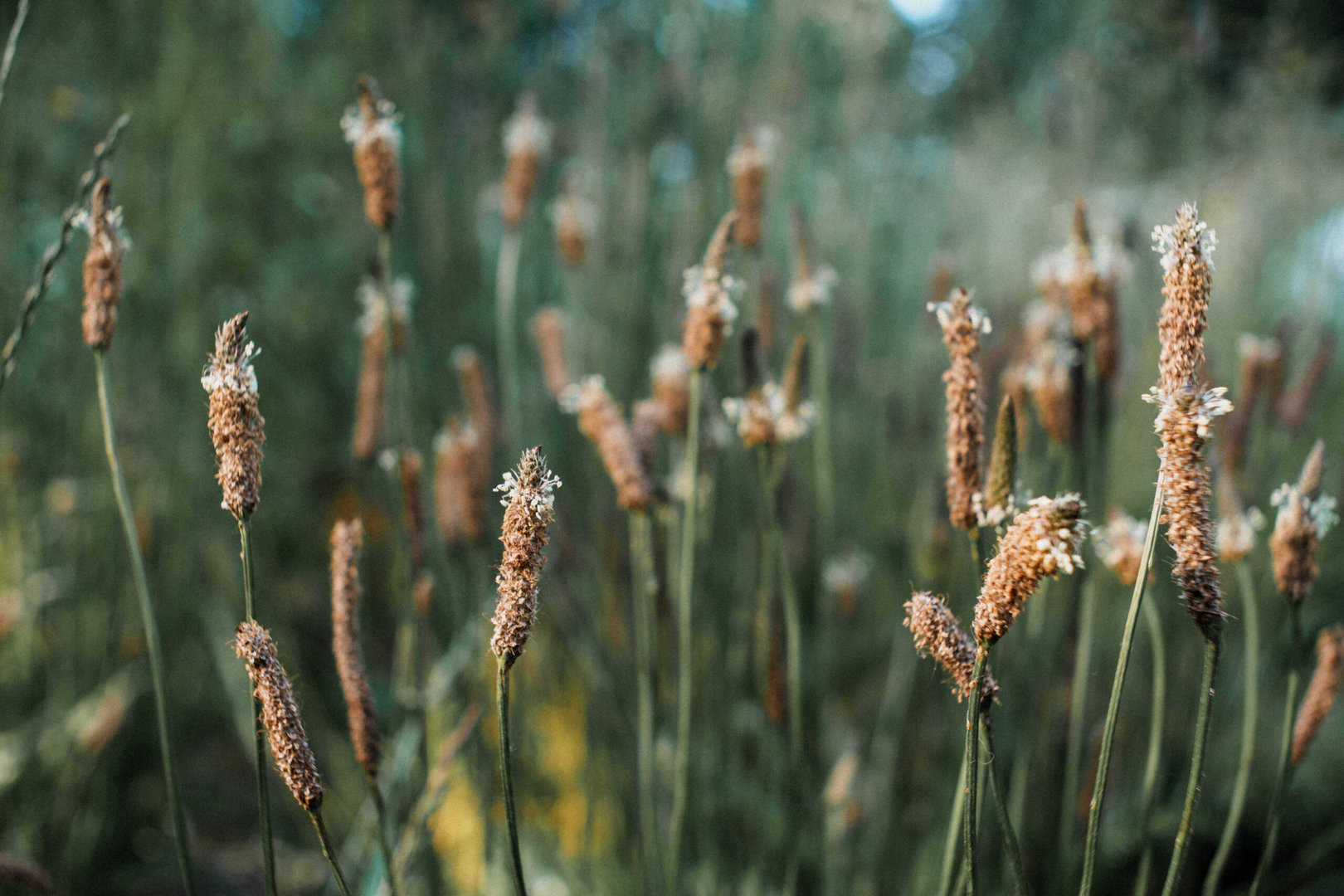
Poultices are usually made with fresh herbs, which you crush, sometimes mixing with a bit of flour and often a little water or oil if more liquid is needed. You can make poultices from powders, too. There is an art to compounding, blending, and preparing effective poultices, especially for pain, injury, broken bones, and other conditions. If you’re out in the field, you can simply pop the herb in your mouth, chew it up, and then apply it. One classic poultice is the Plantain (Plantago major) spit poultice for bee stings, splinters, and other first-aid situations like cuts, scrapes, and wounds.
Plantain can even prevent anaphylactic reactions to bee stings in some people, especially when used as a spit poultice. The benefit of the spit poultice is not only that you can apply it topically, but you also swallow the plant’s juice as you prep it, so you get some internal action as well. Comfrey (Symphytum officinale) poultice is classically used for broken bones. Echinacea (Echinacea spp.) makes a good poultice for any type of poisonous sting or bite, such as brown recluse or black widow spider bites, scorpion stings, or venomous snake bites.
Fomentations and washes are the next type of topical application. Making a wash simply means preparing an infusion or decoction of the herb in water and washing an afflicted area with it. This is typically used for infectious situations. A fomentation begins with a wash; then soak a cloth in the tea and apply it to the affected area.
Infused oils are a common way to apply herbs topically. In this application, you extract an herb into a fixed oil, such as olive, avocado, or castor oil. Infused oils are excellent as is, or as bases for preparing creams or salves. Salves are infused oils with beeswax melted into them to make them more solid. Getting your salve consistency right is key. The nice thing about a salve is the ease of application — it offers one of the most convenient ways to deliver herbs topically.
*A critical note on salves: Be careful using them in infectious skin situations, especially with bacterial infections like MRSA, because those types of bacteria thrive in an anaerobic environment. The beeswax in the salve, if you apply enough of it, can create an anaerobic environment. Specifically, with resistant bacterial skin diseases and possibly fungal infections, be careful not to create an anaerobic environment, so the skin infection doesn’t spread to the edges of the salve application. Paul Bergner tells stories of this situation with cases of MRSA that spread right to the border of where the salve was applied.
A liniment is a liquid preparation that is usually sprayed on. These are traditionally alcohol preparations. If you apply a tincture topically to the skin, it is a liniment. Some liniments are strictly for topical use and, as a result, are often prepared with isopropyl alcohol. Isopropyl alcohol is not for internal use because it isn’t food-grade; be sure to clearly label any liniments made with isopropyl alcohol as for external use only.
Liniments are used for musculoskeletal issues like sore muscles, injuries, and stiff joints. They are very common in Eastern medicine, with the preparation called dit da jow. Martial arts schools often have their own unique recipe of dit da jow, used for bruises, broken bones, sprains, and strains. Martial artists commonly get hurt and thus use dit da jow. I grew up practicing a traditional Japanese martial art from age 4 to 18, and we had our own specific recipe for dit da jow, unique to the dojo where I trained. It was aromatic, and it worked very well. It did contain some toxic plants, including Aconite, so it was not for internal use.
*Note that because of the alcohol content, liniments are not used for open wounds, as it would be rather painful.
Herbs for Topical Application to the Skin
The herbs used in the types of preparations discussed above are quite common, and they’re great to start with, get to know, and keep around your house, in your car, and in your first aid kit.
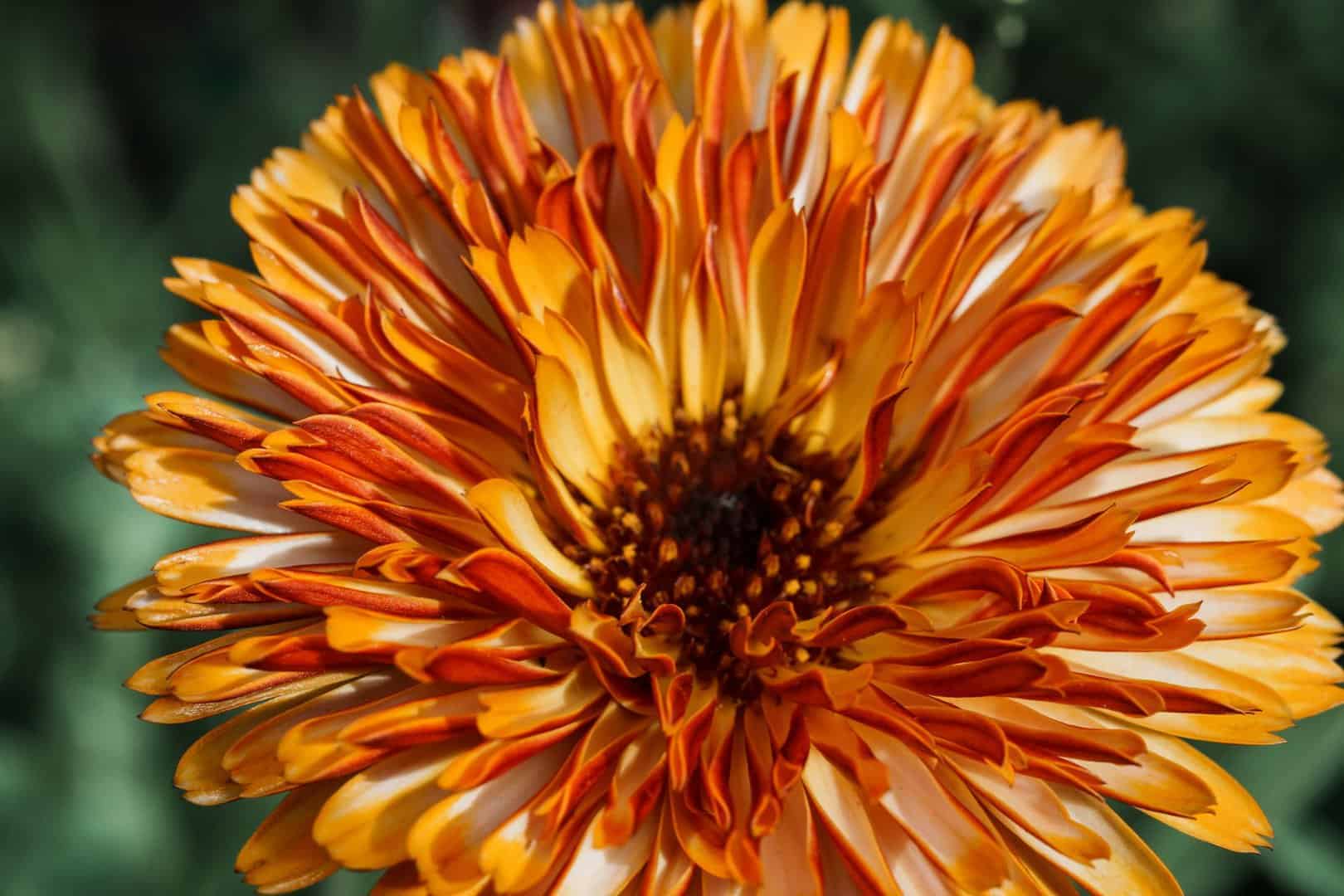
Plantain (Plantago lanceolata or major), Calendula (Calendula officinalis), and Comfrey (Symphytum officinale) are our three primary classic wound-healing herbs for topical use. It is important to note that Comfrey, when used for wounds, should not be applied to puncture wounds. Comfrey heals from the top down, and it works so well that it can heal the surface of the skin, but not the deeper puncture. Therefore, debris can become trapped in the deeper, unhealed part of a wound, preventing it from being properly cleaned. It can create an environment more prone to infection, so you have to be careful with these deeper wounds.
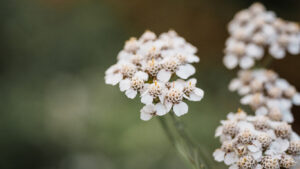
Yarrow (Achillea millefolium) is excellent as a primary styptic and for wound healing in salves and infused oils. It is also vulnerary, inflammation-modulating, and astringent.
Cayenne (Capsicum annuum) is useful for stiff, sore muscles. I use it a lot myself, as someone who deals with chronic pain. I use a lot of topicals for my issues, and I have observed that Cayenne is one of the best topicals for pain.
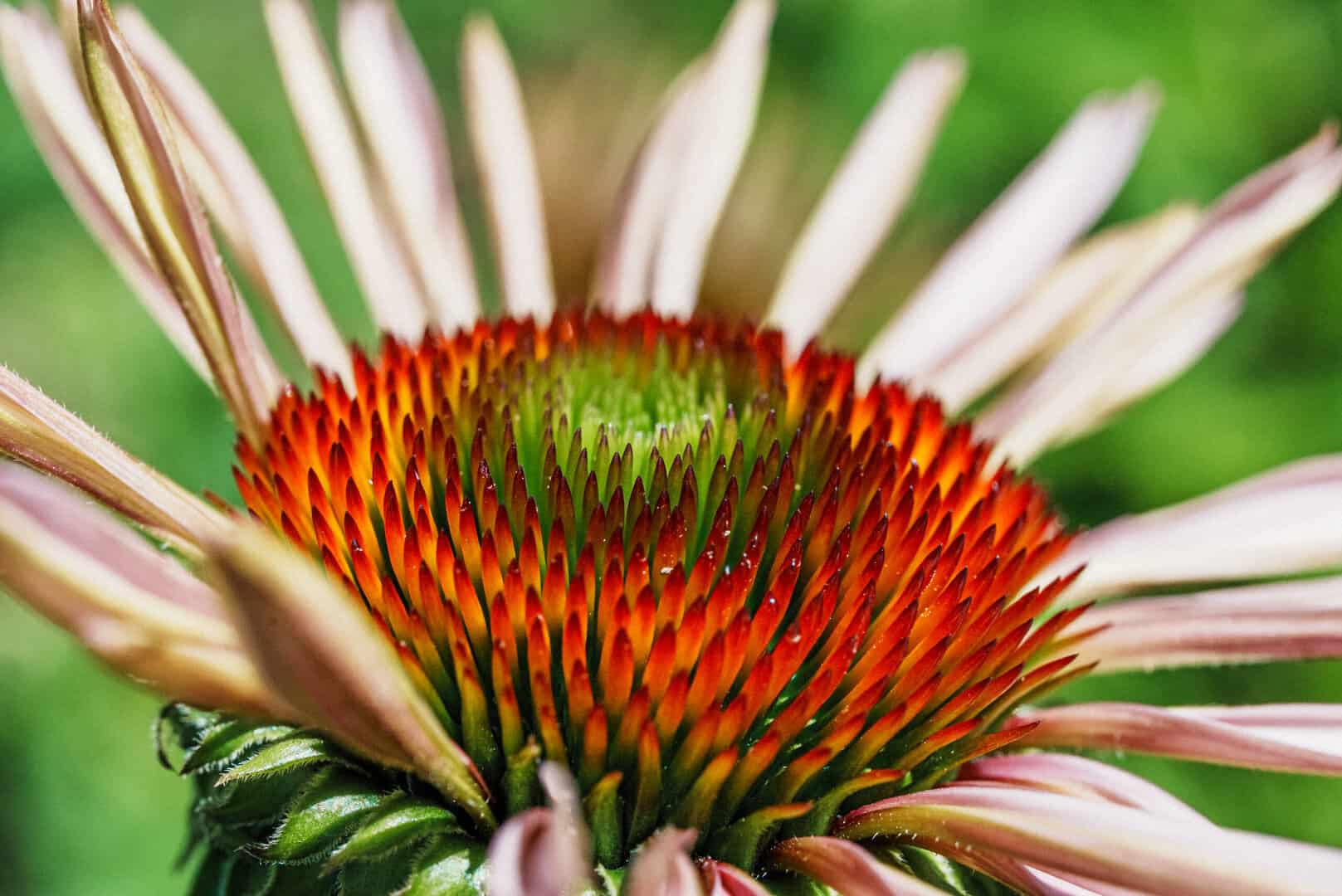
Echinacea (Echinacea purpurea) is a key herb. Many people don’t realize that Echinacea is excellent for topical use. Anytime there is a topical infection, Echinacea is a good option to consider. It’s also key for any type of poisonous or venomous bites: copperheads, rattlesnakes, brown recluses, black widows, etc. Echinacea, topically and internally, is indispensable.
Arnica (Arnica montana) is excellent for pain and, in salves, is classic for injury, pain, inflammation, etc. Also worth mentioning are crystalline menthol, a topical anodyne, Peppermint (Mentha x piperita) essential oil, and Camphor (Cinnamomum camphora).
Topical Treatment for the Mucosa
The mucosal membranes are a continuation of the skin that’s on the surface of the body. The mucosa, as a tissue, lines all organ systems exposed to the outside world. This includes the gastrointestinal tract, the respiratory system, the urinary tract, and the female reproductive system. The male reproductive system is an attribute of the urinary tract. However, the female reproductive system is distinct because, unlike male anatomy, female anatomy is internal and thus is composed of more mucosa.
All of the organ systems mentioned above have an orifice that opens to the outside world, where we can administer an herb. We can apply an herbal remedy to that orifice to have a topical effect on the mucosal tissue of that system.
The exception is the urinary tract. We can put things in our sinuses, mouth, or ears. We can even perform enemas to act on the colon. Steams, boluses, and suppositories can be used intravaginally for infections and more. However, the urethra is the only mucous membrane-containing organ system where we don’t typically insert things, and I don’t recommend it … for obvious reasons.
Topical Treatment for the Respiratory Tract
We can deliver herbs topically to the respiratory tract. It is important to distinguish between the upper and lower respiratory tracts, and the division varies by person.
Some people think of the upper respiratory system as only the nose, sinuses, and throat. And then once you get below that, you’re in the lower respiratory tract. I think of the upper respiratory tract as the throat and above, including the sinuses, while the lower respiratory system begins with the bronchial system and goes down into the lungs.
The upper respiratory tract is a relatively accessible area to deliver herbs topically, whereas the lower respiratory tract isn’t, with a few exceptions which we’ll discuss later. Anytime you swallow something, you are delivering herbs topically onto the throat, which can help treat throat infections such as tonsillitis, strep throat, and swollen lymph nodes. We can also apply herbs topically to the sinuses using sinus sprays or neti pots.
Herbal Actions for the Respiratory Tract
A main action to consider is astringent, especially in the upper respiratory tract. Astringents are hugely important here because it’s common for upper respiratory infections to cause leakiness of the mucosa, either dripping out or down the back of the throat (postnasal drip). There can be a lot of swelling in this area, in the tonsils and adenoids, etc., because the tissues are boggy and atonic. Astringents are helpful in these situations not only to dry up the excess fluids, but also to help the tissues regain their proper tone and stop leaking.
In this way, some astringents for the upper respiratory tract can be considered decongestants. Bitters and pungents can be decongestants as well. Bitters decongest by draining fluids downward, while pungents work by dispersing stagnation with their heat. The antimicrobial properties, including antibacterial and antifungal are also useful.
Next we have expectorants, many of which are aromatic. While expectorants are typically for internal use, some expectorants can be delivered topically. Specifically, stimulant expectorants can effectively be delivered topically to the lower respiratory tract. This is because they are highly aromatic and rich in volatile or essential oils. This is an exception with the lower respiratory tract.
When you burn an herb and you breathe in the smoke, for example, if you’re nebulizing Frankincense and Myrrh resins, and you’re breathing in that resinous smoke, and it touches your lungs — that is a topical action. Or if you’re diffusing Eucalyptus essential oil, you breathe it in, and it touches your lungs, that’s a topical action.
It was very eye-opening for me when I first realized that these are actually topical applications! And it changed the way I practice.
Topical Preparations for the Respiratory Tract
Central to delivering herbs topically to the respiratory system, whether upper or lower, is the delivery of volatile compounds through the Air Element. The main topical preparations for the respiratory tract are inhalations, such as steam. We can use steam inhalation via diffusers, by standing in a steamy shower, or taking a bath. All of these methods use hot water to volatilize herbs. You can boil aromatic herbs which results in an aromatic tea that is great for inhalation. If you drink a cup of Peppermint tea and inhale the menthol and other volatiles in the Peppermint to open your sinuses, that’s a topical action. We can also use volatile oils for inhalation by diffusing them in a bath or shower, and using a tent steaming technique.
We also have fumigation, which is the burning of aromatic herbs, smudging, and similar practices.
Then, we have poultices for the respiratory tract. The classic example is the Mustard (Sinapis alba) poultice, which is very rich in aromatic oils. However, never use straight Mustard powder, because you’re likely to burn yourself, so be sure to mix it with flour first. I once made the mistake of doing a straight Mustard powder respiratory poultice and raised blisters on the skin… not a very smart move on my part! (But that’s how we learn sometimes!)
Next, we have salves and infused oils. These are not the typical wound healing salves with Calendula and Comfrey, but rather balsams, which are resinous, aromatic ointments; think of Icy Hot or Vicks VapoRub. These everyday over-the-counter products are inspired by traditional topical herbal treatments for respiratory conditions. It is common for people to overlook topical treatment with infused oils or salves. Still, they are excellent treatments that provide not just symptomatic relief but can aid in clearing the infection. They can be fantastic for delivering antimicrobial, volatile oils to the respiratory tract. They can help to open up, dilate, and relax the respiratory tract. They can even penetrate through the skin and help break up thick, stagnant mucus so that it can be expectorated.
Next, we have simple salt water and neti pot rinses for the sinuses. If you tilt your head back and breathe a little, you can get it down your throat as well. This can be very good for washing the local area. You can also medicate your neti pot with herbal teas or tinctures, rather than just using water and salt. These medicated neti pots are excellent for addressing sinus infections as well as seasonal allergies, as they rinse the irritants out of the tissues, tonify the mucosa, and deliver antimicrobial properties.
Nasya is the application of medicated oils up into the nose and sinuses, and letting them permeate. In Ayurvedic medicine, both the bottle of the infused oils and the process itself are called nasya. These are especially useful for treating sinus conditions on the go, where making a medicated neti pot is impractical.
The same is true for saline sprays, which are a common over-the-counter option for rinsing and medicating the sinuses, but we can make our own mixtures with highly effective herbs. You could add a little xylitol (and many formulas already contain it), or add small amounts of tinctures or glycerin to your spray. Usually, two ounces of water and a teaspoon of glycerin are about right. You can add up to 30 drops of tinctures for chronic sinusitis and other sinus concerns.
Herbs for Topical Application to the Respiratory Tract
Poplar buds (Populus trichocarpa) work well both topically as a salve and as a tincture. If you take an aromatic tincture, put it in your mouth, and then inhale, you’ll get some topical effect that way, too, if it’s a very aromatic herb. Poplar Buds are resinous buds that you can collect in the winter. They grow all along the rivers in northwest Washington, so I’ve used this medicine a lot and can affirm it is often very helpful.
Eucalyptus (Eucalyptus globulus) is a classic, in the form of essential oil, for treating coughs. Aromatic mints are excellent here; my two favorites are Thyme (Thymus vulgaris) and Oregano (Origanum vulgare). These can be used as teas, tinctures, and also as oils. They both work well in infused oils to create a vaporous salve. Osha (Ligusticum porteri) is great here as well. This is a classic herb used by Native North Americans. It is richly aromatic, though it is a bit ecologically at risk. Still, I include it here because it’s rich in essential oils and an excellent medicinal herb for the respiratory tract.
Tangerine essential oil (Citrus reticulata) is one worth mentioning here, though I don’t often use or recommend straight essential oils. Tangerine peel’s volatile oils are beneficial in vaporous salves for clearing and relieving spasmodic coughs.
Finally, we have kitchen remedies. Mustard, as mentioned earlier, along with Onions (Allium cepa) and Garlic (Allium sativum), are classic remedies rich in sulfur-containing compounds that are highly expectorant. In fact, they’re absorbed directly into the skin and travel through the bloodstream to be excreted by the lungs, which is why you can do a Garlic foot bath and end up with Garlic breath! Echinacea (Echinacea purpurea) can be delivered via neti or nasya. Anytime we have something infectious, Echinacea is a good option to consider. Andrographis (Andrographis paniculata) can be used as well, for insufflation up the nose.
There are other remedies that we’ll cover in a separate post to continue our theme of topical remedies. We will zoom in and talk about how to create medicated neti pots!
 Calendula (Calendula officinalis)
Topical Treatment for the Digestive System
The digestive system is easy to overlook when considering topical effects, but when you ingest an herb, you usually get a topical effect in the digestive system. When you drink a cup of tea, it goes through your system and touches your esophagus all the way down. It touches your stomach, small intestine, and then gets down into the large intestine, which is where water is absorbed. So, in this way, there is quite a bit of topical contact with tissue in this system.
Using the topical effects of medicinals for the GI can be useful for infections, for dry constipation to encourage the mucous membranes to secrete more, for healing wounds, to staunch bleeding, to alleviate gastric pain and ulceration, and for leaky gut syndrome.
Many people have impaired intestinal epithelial membrane function, and topical applications can be very useful. Diarrhea is a condition where we would use tonic, astringent herbs to go in there to slow down diarrhea — this is a topical effect.
Herbal Actions for the Digestive System
The concept of using a vulnerary for the digestive system was a mindblower for me when I first learned about it from Paul Bergner. This concept helped me to help a lot of people, so I tip my hat to Paul Bergner.
Just like we use them to heal wounds on the skin, we can use vulneraries topically to heal wounds in the gut. We can use these for conditions such as gastric ulcers, intestinal ulcers, and leaky gut syndrome. As mentioned with the skin, vulneraries can help to modulate inflammation.
Oftentimes, these preparations are astringent. All astringents for the gut are worthy of consideration for topical use, especially if there’s any sort of bleeding condition (such as ulcers), and for diverticulitis, diarrhea, or general loss of tone in the intestinal tissue.
Demulcents can also be very useful here. The odd thing about demulcents, especially the mucilaginous ones, is that when you drink a slimy, slippery, thick marshmallow infusion, for example, none of that crosses the gut wall. If the polysaccharides were to enter your bloodstream, that wouldn’t be a good thing. Polysaccharides are large compounds, so none of them cross the gut wall, yet they moisten the lungs and the urinary tract. You can take them internally, and they will moisten the female reproductive system. There seems to be a reflex that occurs, where something in the digestive system is triggered. This causes the mucosa to increase secretions systemically.
Additionally, since you’re swallowing them, the demulcents also come into direct contact with the gut mucosa, and this is how they impact the gut. Of course, some demulcents work on the urinary tract or respiratory tract more than others, but they all work on the GI.
Antimicrobial is another herbal action that comes into play in the GI tract, such as antibacterial and antifungal. This is also where we see antiamoebic, antiparasitic, and anthelmintic actions, which are all essentially different ways of saying the same thing. In this category, we have remedies like Black Walnut (Juglans nigra), Wormwood (Artemisia absinthium), Clove (Syzygium aromaticum), Neem (Azadirachta indica), and Long Pepper (Piper longum). All of these herbs are excellent antimicrobials. They come into contact with the digestive tissues, so taking them in tinctures should work well. Still, I believe that drinking them in the form of infusions, decoctions, or even powders mixed in water or taken as capsules works even better, though they are really tough to get down due to their taste.
Styptics are used to treat gut bleeding. There can be bleeding with ulcers, though, of course, if someone’s bleeding a lot, they need to go to the hospital. However, we can use styptic herbs for a little bit of blood in the stool, internal hemorrhoids, or the minor bleeding that can occur with Inflammatory bowel disease, diverticulitis, and Crohn’s.
Inflammation-modulating is another herbal action we can use in the realm of topical preparations for the GI Tract.
Topical Preparations for the Digestive System
In terms of preparations, it’s important to consider the amount of surface area in the digestive system. If you have systemic inflammation in the gut or throughout the whole GI tract, you want the herbs to come into contact with those tissues. That’s a lot of tissue to cover, so we want a substantial amount of powder. In terms of liquids, five ml of a tincture, which is a substantial dose, is still a relatively small amount of liquid. So infusions, decoctions, or a larger dose of powdered herbals mixed with eight to 12 ounces of water are the best ways to administer herbs topically to the gastrointestinal tract.
Tea enemas and oil enemas can be used for topical action on the colon. I don’t personally use these or recommend them often, simply because I’m not as educated on them as others. However, I would lean toward the Ayurvedic approach to enemas (basti), which are usually administered as teas and/or oils (not coffee!).
Another consideration is that alcohol tinctures are often absorbed through mucosal membranes, whether the buccal mucosa in the mouth or the stomach mucosa. Tinctures won’t get very far down into the digestive tract; they will absorb pretty quickly. Therefore, to administer medicine to the colon, drinking decoctions or infusions or taking powders mixed in water is the way to go. That said, many herbs taken as tinctures will still impact the intestinal tract through their reflex actions.
Then, of course, there are topical applications for the lower opening into the GI tract, around the anus, for conditions such as hemorrhoids or an itchy bum. You can apply powdered Calendula mixed with tapioca flour or with another herb or substance to alleviate itchiness. Sometimes the tinea that leads to jock itch can spread around the opening of the anus, so powders, salves, and other topical treatments are available for these situations to provide antifungal properties, as well as simple moisture control.
Applying Witch Hazel extract, astringent salves, and sitz baths are all great for topical application in these cases. Sitz baths are helpful for both anal and vaginal complaints.
Herbs for Topical Application to the Digestive System
As discussed, the main action for topical application to the GI tract is vulnerary. The big three herbs, once again, are Calendula, Plantain, and Yarrow.
Yarrow and Shepherd’s Purse (Capsella bursa-pastoris) are our top-notch styptics for the digestive system.
Marshmallow (Althaea officinalis) is my go-to demulcent for the GI. Slippery Elm (Ulmus rubra) is also effective, but it’s a bit ecologically threatened, so Marshmallow is preferred. The only time I would use Slippery Elm is if someone is very weak, deficient, emaciated, dry, and malnourished. If I want to give them a little extra nutrition, I might consider using Slippery Elm.
Gotu Kola (Centella asiatica) is a remedy I learned from David Winston for gut repair. This herb makes a lot of sense, as it’s moistening, cools heat, inflammation, and irritation, and is an excellent inflammation-modulating herb for inflamed tissue. It is also vulnerary and nervine, so I like it for people with digestive issues who are nervous. It also has immunomodulatory effects and is useful for immune dysregulation that can accompany impaired epithelial membrane function.
Witch Hazel (Hamamelis virginiana) is another great one as an astringent applied topically. Internally, we would not use Witch Hazel extract, but it’s a good astringent. Astringents are often indicated for ulcerations, for example, Oak bark (Quercus alba), and Meadowsweet (Filipendula ulmaria).

Topical Treatment for the Female Reproductive Tract
Conditions such as candidiasis, trichomoniasis, and bacterial vaginosis are infections of the female reproductive system. Topical treatments are beneficial in these cases, and can even be used in some instances of cervical dysplasia. Some people use herbs topically for fibroids and other female reproductive tract imbalances as well.
Herbal Actions for the Female Reproductive Tract
Antimicrobial is a key property here: antifungal and antibacterial actions are particularly important. Antiviral action is applicable for herpes simplex lesions and HPV.
Vulneraries are helpful for general wound healing, and astringents are useful to heal excess discharges and to bring greater tone to the mucosa.
Topical Preparations for the Female Reproductive Tract
The main preparations we use for the female reproductive system are vaginal douches. These can be applied with a douching syringe or with vaginal cups, where the cup is inserted, left overnight, and then removed in the morning.
Suppositories and boluses are essentially salves that are poured into bullet-shaped molds to make them easier to insert. Many people these days talk about vaginal steams, but I would argue that you’re limited regarding what types of herbal constituents can be applied topically through a steam. It would be much more efficient to deliver herbs in the forms mentioned above to get the broadest spectrum of constituents delivered to the reproductive tissues.
Herbs for Topical Application to the Female Reproductive Tract
Goldenseal (Hydrastis canadensis) is a top remedy, and any of the berberine-containing herbs, such as Oregon Grape root (Berberis aquifolium), are applicable here because these herbs are broad-spectrum antimicrobials. Goldenseal is also particularly useful because it is a tonic for the mucosal membranes, restrains excess secretions, and restores proper mucosal function.
Once again, we have Calendula, Plantain, and Yarrow; the latter is especially useful if there’s any bleeding. Echinacea is an important herb to think of as well. Echinacea is commonly combined with Wild Indigo (Baptisia tinctoria) as a powerful combination for the treatment of a wide variety of infections. Wild Indigo is a low-dose herb because it’s very strong, but it has been used topically to treat things like HPV infection, which can cause cervical dysplasia. Usnea (Usnea spp.) is another herb to consider for the female reproductive tract.
Addressing the Concept of Antimicrobial
Certain qualities of herbs simply don’t work systemically. These qualities and actions only work when an herb is applied topically. Open up any herbal book these days, and you’ll see the word “anti” with a pathogenic microorganism listed after it. You’ll see terms like antibacterial, antifungal, antimicrobial, anti-amebic, anti-COVID, anti-influenza, and antiviral.
Research suggests that the only way we can say an herb has a property against a specific organism is if it’s traditionally used to treat an infectious disease, or the plant, the extract, or an isolate from the herb is tested in a petri dish (in vitro) with a particular pathogenic microorganism. Then it is determined whether that herb, extract, or constituent neutralizes, kills, disables, or transforms that pathogen. If it does, that herb is considered to be antiviral or antibacterial.
In my opinion, the term “antiviral” is sloppy, and more specificity is needed regarding its meaning as it applies to a particular herb. In many instances, when an herb is tested, its constituents come into contact with, for example, a virus in a petri dish, and people extrapolate from this to conclude the herb is antiviral. They start taking tinctures of it for a systemic influenza infection, and that doesn’t work. Or an herb is tested against a particular virus, such as HPV or herpetic lesions. It might work in that case, but that doesn’t necessarily mean it will work on another type of virus. My point is that for a lot of the “anti” actions, the herb must come into direct contact with the infected tissue.
Other Areas to Use Topicals
Let’s round out our exploration of redefining topicals by looking at some other places we can use them, such as the eyes and ears. Many of the herbs we’ve already discussed can be used for the eyes, such as Calendula and Plantain. The main issue with eye preparations is that it’s essential to filter the herbs thoroughly before use and to salinate the teas to make them less stingy when you put them in your eyes.
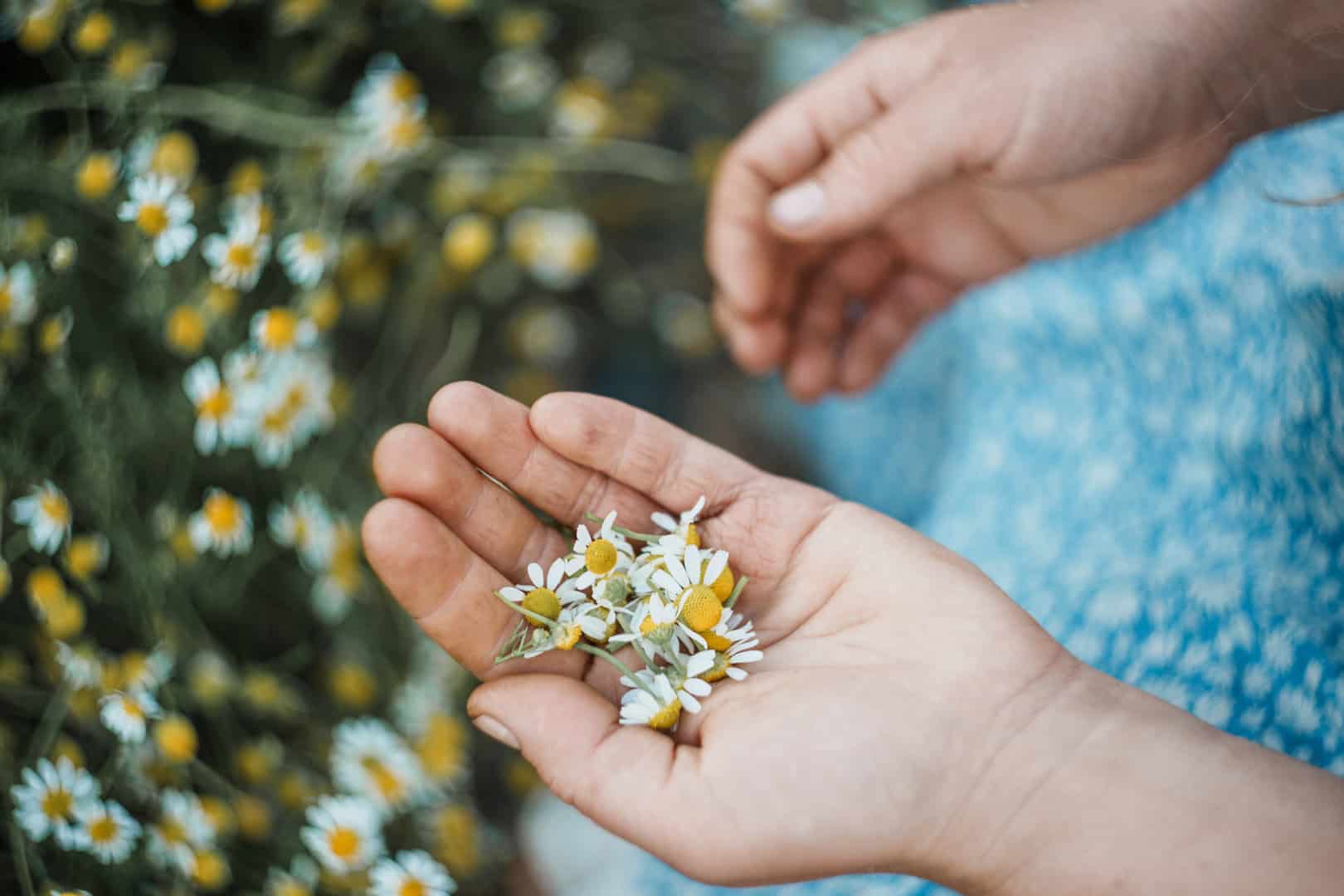
Typically, we use water extracts. Teas are easy to make and effective. Even easier, though, is a simple remedy where you soak a Chamomile (Matricaria chamomilla) tea bag in water until it is well hydrated and apply it to your eyes. You can also use a tea bag of Black tea (Camellia sinensis). This is like an instant poultice that works very well for soothing the eyes from issues like pink eye or conjunctivitis, blepharitis, and scratches to the eyeball, which I’ve had happen several times, and it is very painful. Goldenseal is excellent for the eyes, specifically for infections.
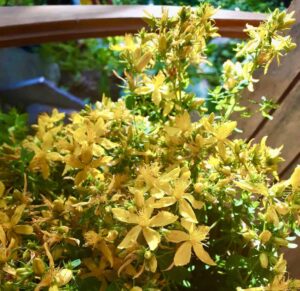
In the ears, we typically use infused oils for infections such as otitis media. Garlic-infused oil is the classic remedy for the ears. Some people use Propolis (Resina propoli) or Usnea (Usnea spp.), but Garlic also works very well, and it’s usually readily available in people’s kitchens or down the road at the grocery store. You can also add St. John’s Wort (Hypericum perforatum), mainly to cool and calm the nerve pain associated with an ear infection.
A Note on Essential Oils
A quick side note on essential oils. I don’t use or recommend essential oils often. When I recommend essential oils, I recommend that you do not use them neat (i.e., applying them directly to the skin or other tissues). There are two exceptions: Lavender (Lavandula angustifolia) and Tea Tree (Melaleuca alternifolia) essential oils are usually gentle enough to be used neat. Most other essential oils should be diluted with a carrier oil. You can put a little puddle of carrier oil into your hand, then add a drop or two of essential oil, mix, and apply it where you need it. I never recommend taking pure essential oils internally, unlike some popular companies.
I hope this article has helped redefine your thinking on the topical application of herbs. Stay tuned for the next installment in this series!
FAQ
What defines a topical herbal application?
Any application in which an herb comes into direct contact with tissue, including the outer skin and the internal mucosa of the GI, respiratory, or reproductive systems.
Why do antimicrobial herbs often require direct contact with tissue?
Many antimicrobial actions (antibacterial, antiviral, antifungal) rely on local, direct contact with pathogens on infected tissue rather than working systemically.
Can herbal remedies act topically on the lower respiratory tract?
Yes. Inhaling volatile aromatic compounds via steam, diffusers, nebulizers, or smoke delivers herbs topically directly to lung tissue.
How do demulcent herbs impact the digestive tract topically?
Demulcents soothe and moisten gut mucosa directly upon contact, while triggering reflex mucosal secretions throughout other organ systems.
When should occlusive salves be avoided on skin conditions?
Salves with beeswax should be avoided on resistant bacterial infections (e.g., MRSA) because occlusive layers create anaerobic environments where bacteria may thrive.