If you’ve been on social media recently, or if you’ve gone to a health food store or upscale grocery store, you’ve likely seen the rise and fall of “miracle herbs.” One year it’s Ashwagandha (Withania somnifera), the next it’s Turmeric (Curcuma longa), or Elderberry (Sambucus nigra). And then, just as quickly as they rose to popularity, they tend to fade into the unknown.
These herbs aren’t just sold in tincture form or as dried herbs for tea. You can buy premium seltzer “formulated with adaptogens,” coffee with Cordyceps (Cordyceps militaris), and just about any other type of concoction you can imagine.
Seeing the rise and fall of herbal fads has left some of us wondering whether herbal fads might actually be dangerous. How does the “new” trendy herb get chosen each year, and how does it catch attention in the market? How are the cultures and traditions that use these plants impacted? More importantly, can it negatively impact the ecological status of the herbs themselves?
How Herbal Fads Are Born
For our purposes, an herbal fad is when a particular herb becomes trendy, showing up in stores and on influencer pages, seemingly all at once. They’re often “good for” just about everyone and have miraculous effects that will help your conditions … without you needing to change anything.
Fads seem to develop in a few ways. One is when new research emerges on an herb and is seen as a breakthrough. Many companies capitalize on this quickly by developing new products they can sell. And voilà — a market of people interested in a new “miracle” product and a company that’s eager to sell it to them.
As discussed in another blog post, you can’t trust all herbal research. Often, research on herbs is conducted in petri dishes, not in humans, and it’s inaccurate to expect the results from a petri dish to translate to the human body. This is called a false extrapolation, and unfortunately, it’s common in the herbal research industry. Research is often done by the product companies themselves, which have a vested interest in positive results.
Sometimes scientists study only one specific compound in a plant rather than the plant as a whole. This can also lead to false conclusions. Just because new herbal research was released doesn’t mean it should be taken as truth. It is important to understand who funded the study, how much of the herb was used, which medium was used to test it, and other factors. Another thing to consider is that companies capitalizing on new research sometimes don’t care whether the research is correct. They care about earning money by selling products people want, even if those products are misleading or dangerous.
Another way herbal fads arise is when celebrities, famous doctors, or influencers talk about an herb. Suddenly, everyone who wants to be more like that person will buy that herbal product to curate the self-image the product promises. It’s important to understand that even if someone has a large social media following or is a doctor, they may not necessarily understand herbal medicine or have clinical experience with it.
The Dangers of Herbal Fads
When I worked as a consultant at an herb/supplement shop, there was a period when everyone who came in wanted Acai for weight loss. It turns out, a celebrity doctor was pushing the idea that Acai can make you lose weight, and overnight, millions of dollars’ worth of Acai berry juice, capsules, and other products were being purchased. People thought they could drink a “magic cure” and easily get rid of extra weight without needing to adjust their diet, exercise, or lifestyle. People came in, bought it, and later returned grumbling that it didn’t work. I wasn’t surprised, because there are several factors involved in losing weight, and drinking a juice won’t shortcut those steps.
I’ve dedicated my life to the study and practice of herbal medicine, so when I see a celebrity or influencer talk about an herb that’s good for [insert miracle cure] and see it explode in the market, I think about all of the consumers who will buy it who aren’t herbalists, don’t understand traditional herbal medicine, and don’t understand how to use herbs properly.
Herbal Fads May Discredit Herbalism
The power of herbal medicine is in its specificity to each person. You may see 10 clients who have brain fog, but each client might require a totally different herb because of their constitution and other underlying dietary and lifestyle patterns. One person might have brain fog because they have metabolic syndrome, and another because of hypothyroidism, digestive issues, or insufficient sleep.
There are so many factors that can lead to brain fog that selling a one-size-fits-all herb and marketing it as the cure-all for everyone with brain fog simply doesn’t make any sense. Herbal medicine was never meant to be used with a one-size-fits-all allopathic approach. To be honest, it contradicts the fundamental tenets of holistic herbalism.
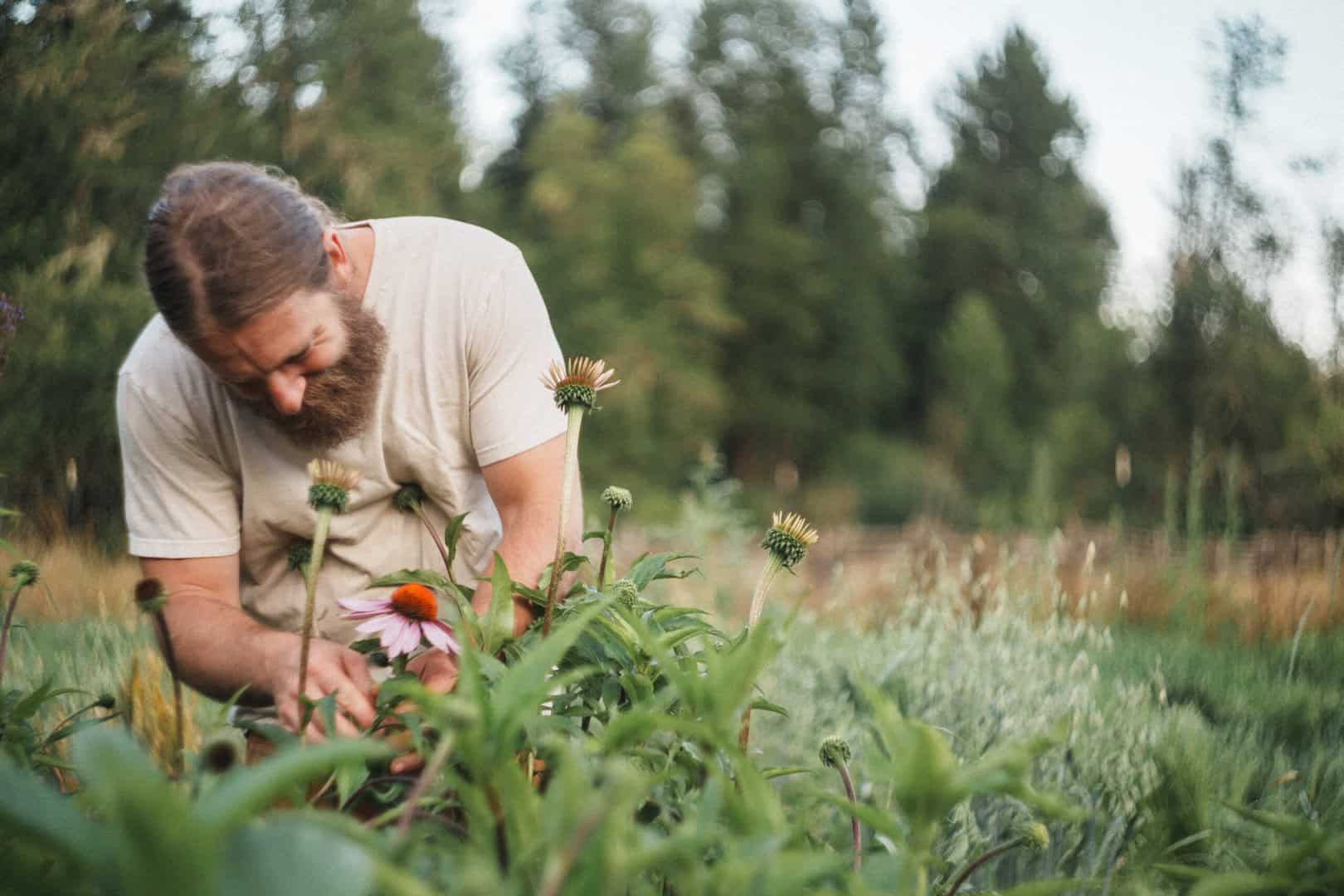
Herbal fads are herbs marketed as a cure-all for groups of people all suffering from a specific symptom. The marketers don’t care whether each person suffers for different reasons, and it doesn’t matter to them that the herb will likely help only a few people, do nothing for others, and make symptoms worse for some. Those it worked for will likely praise the herb, but those who weren’t helped or were harmed may lose faith in herbal medicine. These are often the people who balk at herbal medicine, saying “I tried that herb and it didn’t do anything, so I don’t think any of it is really true.” Herbal fads capitalize on a single property of a plant, such as Echinacea (Echinacea spp.)’s impact on immunity, ignoring its complexity and its traditional use as a blood-purifying alterative.
Herbal Fads May Pigeonhole Herbs
Another danger of herbal fads is that marketing techniques pigeonhole herbs as good for one specific thing. This can harm your learning process if you’re studying herbal medicine. Herbal fads result from great marketing, and marketing sells simple ideas. A famous example of this is how Echinacea (Echinacea spp.) is marketed as an immune stimulant. If you ask someone who doesn’t know about herbal medicine and ask them about Echinacea, they’ll probably still know it has something to do with the immune system because of how far-reaching herbal fads are.
Because Echinacea is marketed as an immune stimulant, it ends up being added to every formula for immune support, cough, cold, infection, and flu. This can lead herbalists to forget its traditional use as an alterative and blood purifier for sepsis. If someone got the sniffles, they wouldn’t reach for Echinacea (Echinacea purpurea). They would take it if they had an infected wound with a red streak traveling up the arm. This herb was used for brown recluse spider bites, rattlesnake bites, copperhead bites, and poisons by neutralizing and protecting the body from them. This traditional knowledge gets lost when modern marketing paves over it with a quick “new” fix.
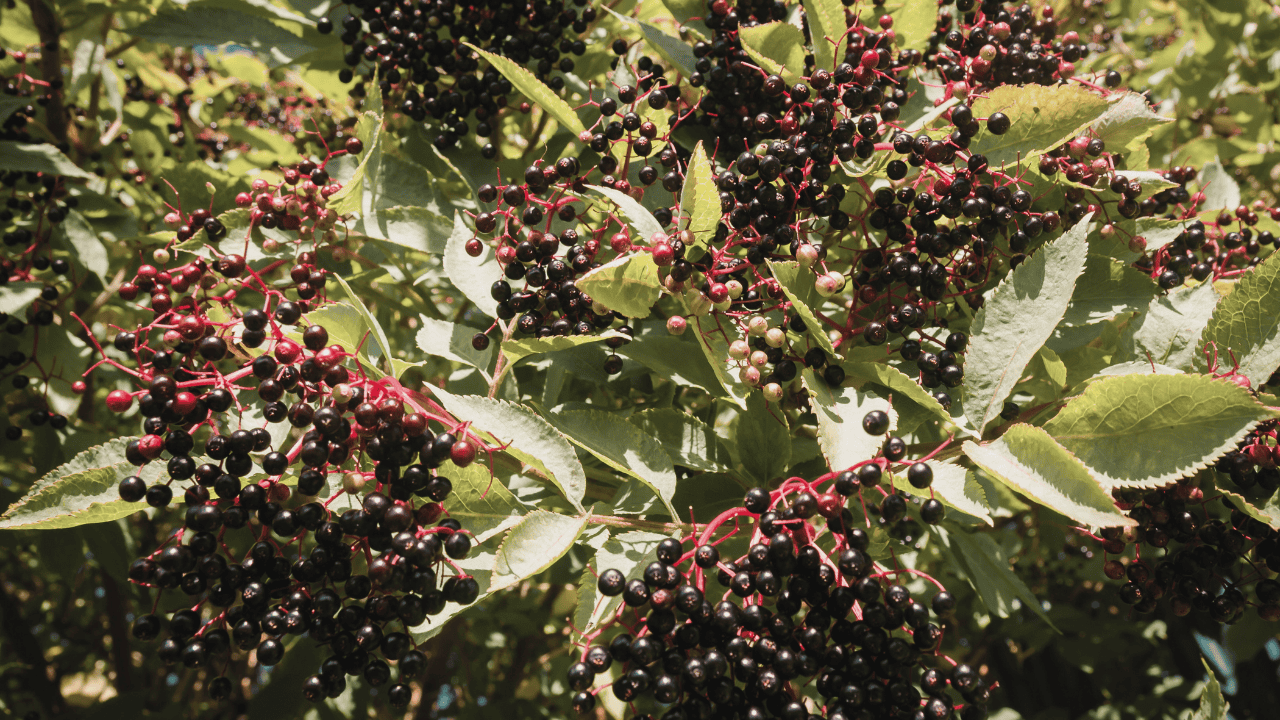
A similar thing happened to Elderberry (Sambucus nigra), another herb hit by the herbal fad industry. Elderberry is known as “the antiviral herb.” The danger of thinking of Elderberry this way is that people think it’s a cure-all for all viruses. In reality, research shows it’s effective for influenza and the common cold, and that’s about it! There is no strong research showing Elderberry is a broad-spectrum antiviral capable of killing all sorts of viruses in the body. In fact, there isn’t such a thing as a broad-spectrum antiviral, even in pharmaceutical medicine.
A third example is with Saw Palmetto (Serenoa repens), “the prostate herb.” People think this herb is only useful for men, but it’s also beneficial for the female reproductive and respiratory systems. Black Cohosh (Actaea racemosa) is pigeonholed as “the menopause herb” when it was traditionally used as an antispasmodic.
I share these examples to showcase how complex plants are and what happens when they’re reduced to a single marketable phrase. By doing so, herbal fads erase the past and future of these medicinal plants. As herbalists, we need to teach others that herbs can’t be pigeonholed.
The herbalist Paul Bergner shares a story about visiting an old Physiomedicalist clinic dispensary in Europe and seeing old formulas. He saw one called “Black Cohosh Compound” and wondered what other female reproductive or menopause herbs were in there. But as he looked at it, he saw that it was a cough formula. Black Cohosh is a relaxant, antispasmodic, and, in this case, was formulated for the respiratory tract, useful for spasmodic coughs and asthmatic conditions. However, because of how we pigeonhole it today, he was surprised to see it used differently.
Lies and Misinformation about Herbs
Some herbal fads piggyback off lies. A prime example is with Wild Yam (Dioscorea villosa), which is marketed as herbal progesterone. To put it bluntly, Wild Yam is not a natural source of progesterone; this myth stems from its containing diosgenin. This compound resembles endogenous hormones in the body, such as progesterone.
Once this research came out, people started adding it to creams and other things, but it didn’t work because Wild Yam doesn’t contain progesterone. To push this myth further and sell more products, companies started formulating Wild Yam with synthetic progesterone. Consumers, however, still thought they were getting a natural boost from Wild Yam, not the hidden additives. Traditionally, Wild Yam was used as a cooling, drying, antispasmodic to relax spasms in the intestines, bile ducts, ureters, and urethra. This couldn’t be further from how it’s used today.
A parallel today is how certain essential oil companies promote their internal consumption, which is quite dangerous. Essential oils are incredibly concentrated, and high enough doses taken internally can damage the nephrons in your kidneys, potentially causing irreversible damage. Companies pushing for this may have even paid for studies proving the safety of consuming essential oils. These findings are often presented in very convincing ways to prevent you from seeing the potential dangers, so you buy more products, and they earn more money.
If an essential oil company tells you to consume essential oils in food or water, that’s a red flag, and I suggest you run in the opposite direction. These companies often use MLM and pyramid marketing schemes. It’s important to remember that being trained by a company is NOT the same as being trained in clinical herbalism.
These companies are good at marketing but not at health. Some of them even provide training for their sellers so they can call themselves herbalists or use another title after their name to better sell their products. However, they are not herbalists; they’re company representatives and salespeople.
Cannabis (Cannabis sativa L.) too, is currently marketed as a cure-all, with some companies even calling it an adaptogen. To be clear, Cannabis is not an adaptogen. There are specific criteria a plant must meet to be considered an adaptogen. Cannabis is a powerful herb; it has its place in herbal medicine, but it certainly isn’t for everyone, and it definitely is not an adaptogen. As an herbalist, it’s infuriating sometimes to see an herbal medicine so misrepresented.
Turmeric (Curcuma longa) is another herb famed for being “the anti-inflammatory herb.” It is often recommended to people with musculoskeletal or joint pain. However, Turmeric is a very warm, drying, and astringent plant. If someone has joint pain due to underlying dryness, Turmeric can further aggravate their pain. Trained herbalists would notice that and give them cooling and hydrating remedies, but herbal fads overlook energetics because they’re based on allopathic problems and solutions rather than on the individual.
Elderberry has been thrown under the bus since COVID, when inaccurate research claimed it could cause cytokine storms and shouldn’t be used to treat colds, flu, or immune infections. Suddenly, an herb cherished for centuries, originally brought to the surface as a fad, died back down because of misinformation based on bad research.
I believe the herbs we work with deserve better treatment. With the rise of social media and AI as dominant forces in misinformation, we need to exercise extra caution to determine whether the research we’re reading is trustworthy and reliable before making any big decisions or spreading further misinformation.
Confusion About Herbal Effectiveness Compared to Fad Products
Herbal fads present another risk when research focuses on standardized extracts or phytopharmaceuticals rather than the whole plant. For instance, Ginkgo (Ginkgo biloba) is often studied using a highly concentrated standardized extract, rather than as a tincture. This can create misconceptions, with some herbalists believing that a simple Ginkgo leaf tincture is as effective as the concentrated extracts used in research, which can be concentrated in ratios as strong as 5:1. When the effects experienced aren’t as strong as the research indicates, they may wonder why the herb “didn’t work.” This illustrates how missing even a few key pieces of information, such as the concentration used in herbal research, can lead to a range of misunderstandings.
Similarly, there’s strong research supporting the effectiveness of Remifemin, a popular Black Cohosh-based supplement for menopausal symptoms. However, some people start taking Black Cohosh tincture expecting it to perform in the same way as Remifemin. In reality, while the concentrations of Remifemin have been proven effective, Black Cohosh, as a full-spectrum plant, hasn’t been studied in the same manner. It’s incorrect to apply the same conclusions to Black Cohosh without comparable research on its specific form.
Treating Herbs Allopathically
Another danger of herbal fads is the tendency to apply an allopathic approach to herbal medicine. This is a big issue, because herbal fads can lead herbalists to think in an allopathic manner.
For example, if someone has a prostate problem, they might be given Saw Palmetto. If someone experiences hot flashes, Black Cohosh might be recommended. If someone has joint pain, Turmeric might be given. While these herbs may sometimes provide relief, they often fall short because they’re not selected specifically enough to address an individual’s unique needs.
Rather than considering the whole person, including their tissue state and the root causes of their issues to develop a personalized protocol, fad herbs are often chosen to suppress symptoms, resulting in unreliable results.
At its worst, picking herbs based on their popular uses without further personalization can be harmful. The right herbal medicine is customized for the individual.
Ecological and Cultural Impacts
Another risk associated with herbal fads is their ecological and cultural impact. For example, in the nineties, Echinacea and Goldenseal (Hydrastis canadensis) were considered the ultimate immune-boosting herbs. However, Goldenseal grows very slowly, leading to its status as an at-risk and endangered plant. Echinacea has been nearly wiped out in the Great Plains due to overharvesting.
A few years ago, influential people in the alternative medicine community started promoting Chaga (Inonotus obliquus). I was concerned because Chaga grows in a narrow ecological range and can easily become at risk of overharvesting, much like American Ginseng (Panax quinquefolius). The ecological impact of an herb becoming “trendy” can be devastating, and it’s important to remember that these plants need time to renew themselves, or we risk losing them altogether.
There’s also a significant cultural impact to consider. The allure of new and exotic spices or products from faraway lands, combined with the insatiable human desire for novelty and more of everything, can be dangerous. When an herb becomes popular, there is often a business model that involves exporting it to other countries for profit. However, in this process, these herbs are removed from their traditional contexts and may be used inappropriately.
For example, Guayusa (Ilex guayusa), a relative of Yerba Mate (Ilex paraguariensis), grows in Ecuador and holds cultural and spiritual significance. I once studied with an herbalist there who explained that, for a time, Guayusa was revered as one of their top spiritual medicines, deeply intertwined with their culture and spirituality as a dreaming herb. It was used to foster community, with people gathering to drink Guayusa and share their dreams. Their traditional medicine people used it to help them understand the plants and the spirit of nature.
Over the years, I’ve noticed products popping up on shelves marketing Guayusa as an energy drink. It makes me wonder how this misuse impacts the people who have a rich history with the plant, as it is reduced to a quick caffeine fix.
It is possible that communities can benefit financially from this export, which can certainly be a good thing. But there’s also high potential for the commercialization of their sacred herbs as commodities. This can lead to the loss of traditional knowledge and change the way future generations relate to plants. Rather than respecting and revering their Guayusa, it may become a product and source of financial gain. These are important considerations, especially when an herbal fad relies on limited resources and plants from specific ecological niches steeped in traditional cultures.

Final Thoughts on Herbal Fads
There are many dangers associated with herbal fads, ranging from ecological damage to misinformation, and from pigeonholing herbs to harming someone through using herbs allopathically. Every dollar we spend supports a specific mission or goal, so, as herbalists and people who cherish nature, we need to exercise extra caution and raise awareness of the dangers of herbal fads.
If an herbal fad catches your attention, dig into the research, find potential underlying agendas or sponsors, and remember that there’s no such thing as a cure-all or a single remedy that will work for everyone.
There is a lot of information out there, and misinformation spreads quickly via social media and AI. It is more important than ever to be cautious and ensure we don’t overlook the traditional uses of medicinal plants and instead view them through a marketing lens. For example, while it’s incredible to discover the immune-boosting properties of Echinacea (Echinacea purpurea), we shouldn’t discard the millennia-old traditional knowledge on how to use that plant. Instead, we should integrate both traditional wisdom and modern discoveries to develop a more comprehensive understanding of herbal medicine.
By educating ourselves and others, respecting the traditional knowledge of medicinal plants, and being mindful of the communities and ecosystems they come from, we can navigate the realm of herbal fads more safely and sustainably, preserving the integrity of these valuable resources for future generations.
FAQ About Herbal Fads
What are herbal fads?
Herbal fads are trendy herbs promoted as solutions for nearly everyone, often through marketing rather than traditional herbal practice.
Why are herbal fads problematic?
They oversimplify herbs, spread misinformation, and encourage one-size-fits-all thinking.
Can herbal research be misleading?
Yes. Some studies use isolated compounds, petri dishes, or standardized extracts that don’t reflect how whole herbs are traditionally used.
Do celebrity endorsements make an herb effective?
No. Popularity is not evidence of safety, effectiveness, or appropriate use.
Can a trending herb work for everyone?
No. Herbal medicine is most effective when matched to the individual’s constitution, tissue state, and underlying imbalance.
How do herbal fads affect medicinal plants?
They can increase overharvesting and threaten vulnerable plant populations.
Can herbal fads harm traditional knowledge?
Yes. Herbal fads often reduce complex medicinal plants to a single marketed benefit while overlooking centuries of traditional use.
How can I evaluate herbal claims more carefully?
Look at who funded the research, how the herb was studied, and whether the claims match both traditional use and sound clinical evidence.
Should I avoid popular herbs altogether?
No. Popular herbs can be valuable when used appropriately, but they shouldn’t replace individualized herbal assessment.
What’s the best way to choose an herb?
Select herbs based on the whole person—not just a diagnosis or the latest wellness trend.